




How To Spot Fake Online Deals Before You Buy
 ||
||About the Author
Taylor Reed is one of our contributing writers, focusing on gifts and deals. Taylor knows that finding the right gift isn’t always easy, and between tight budgets, endless options, and busy schedules, gift shopping can get overwhelming fast. That’s why Taylor started looking for simple, thoughtful gift ideas that actually make people smile—without wasting time or overspending.
What began as helping friends pick out gifts for birthdays and holidays turned into a passion for smart shopping and useful recommendations. Taylor now shares practical gift ideas, real product reviews, and honest deals that fit different people, occasions, and budgets.
Taylor isn’t a professional marketer or a luxury shopper—just a real person who enjoys making gift-giving easier and more meaningful. Whether it’s a last-minute idea, a personalized gift, or something affordable that still feels special, Taylor’s goal is always the same: keep it simple and make it thoughtful.
Because a good gift isn’t about the price—it’s about the idea behind it!
Last Update
Updated on Jul 1, 2026
Related articles
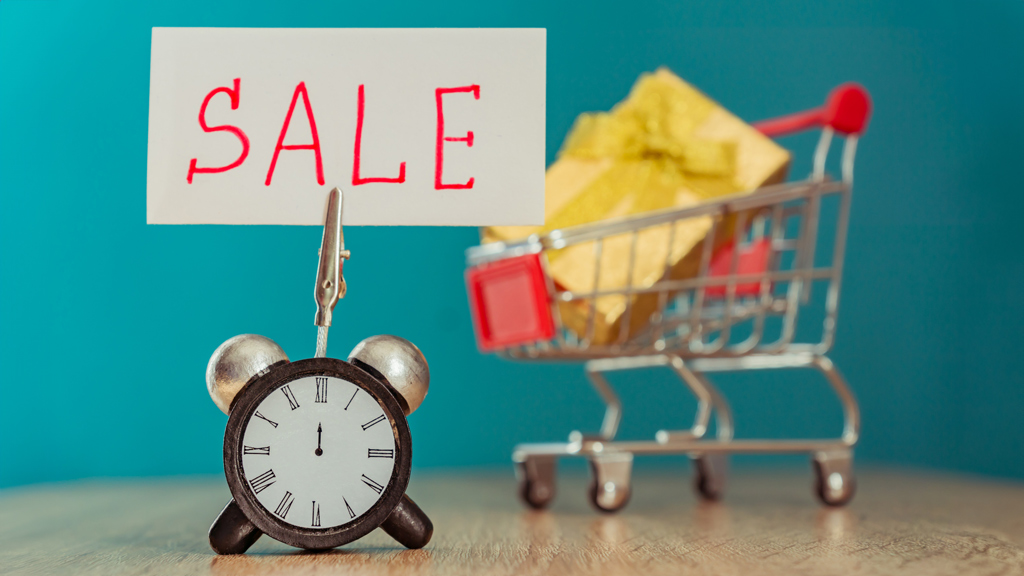
There’s nothing wrong with loving a good deal — in fact, finding that perfect price can feel like a small victory. But while many discounts are real (and worth jumping on), others are designed to make you click fast and think later. Learning to tell the difference helps you save money, protect your information, and shop with confidence.
Real Deals vs. Red Flags
The best promotions usually come from verified retailers or trusted partners. If you spot an unfamiliar site with massive discounts, take a moment before buying. Check for https:// in the web address, browse real customer reviews, and confirm there’s a clear return policy. A legitimate business wants you to feel safe and informed.


When “Too Good to Be True” Actually Is
If an item that costs $200 everywhere else suddenly appears for $20, that’s a red flag. Scammers count on that “wow” moment to trigger quick clicks. But small discounts or short-term offers from reputable sellers? Those are the real wins. The difference is transparency and trust.
Read the Fine Print
Fake sites often hide details — unclear shipping info, missing contact pages, or sloppy spelling. Before you buy, make sure you know who’s behind the website and how your payment is protected. Real retailers have nothing to hide.
Don’t Fear the Countdown
Messages like “Only 3 left!” or “Deal ends tonight!” aren’t always fake — genuine stores use limited-time promotions, too. The trick is checking who’s saying it. If it’s a known brand or a platform you already trust, it’s fine to take advantage. If it’s a random name you’ve never seen before, take a pause.


Pay the Smart Way
Always use secure methods like credit cards or PayPal. They offer built-in buyer protection — even when you’re shopping from reliable sites. Avoid direct transfers or gift cards; they’re almost impossible to recover if something goes wrong.
The Bottom Line
The goal isn’t to avoid deals — it’s to recognize the real ones. Great offers exist, especially from verified and carefully curated platforms. Once you know the signs of a fake, you can shop smarter, save more, and enjoy the genuine discounts with total confidence.
Enjoyed this? Share it!
Share your reaction!