




What Is A Credit Score And Why Does It Matter?
 ||
||About the Author
Marcus Whitman is one of our contributing writers, focusing on money and finance. He believes financial freedom isn’t just about making money—it’s about understanding how money works. Growing up in a middle-class family, he learned the basics of budgeting, saving, and responsibility the hard way. Later, through years of study and real-life experience, he discovered the principles of savings, smart investing, debt-free living, and long-term financial strategy.
Marcus has been exploring practical ways to help everyday people build better financial lives—without complicated jargon or unrealistic promises. He focuses on real-world money solutions: personal budgeting, long-term investing, financial independence, side incomes, smart spending, and wealth mindset.
Marcus isn’t a financial guru—he’s a lifelong student of personal finance who turned discipline into freedom and now helps others do the same. Whether he’s breaking down investment tools, analyzing money myths, or simplifying expert strategies, his rule stays the same: make it clear, make it practical, and make it work in real life.
He believes financial progress never comes from luck or shortcuts—it comes from discipline, knowledge, and action. Money isn’t the goal—freedom is.
Last Update
Updated on Jun 19, 2026
Related articles
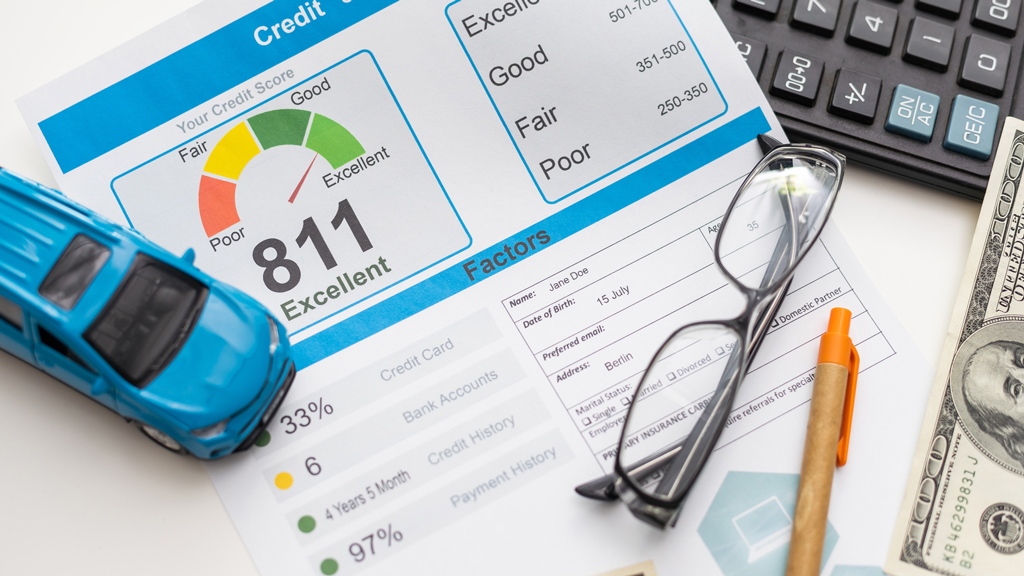
Your credit score is one of the most important numbers in your financial life — yet many people don’t fully understand how it works or why it matters. Whether you’re applying for a loan, renting an apartment, or even setting up utilities, your credit score can have a big impact on the opportunities available to you.
What Is a Credit Score?
A credit score is a three-digit number that represents your creditworthiness — essentially, how risky you are to lenders. It’s based on your credit history, including how much debt you have, how reliably you make payments, and how long you’ve been using credit.
How Is It Calculated?
Most credit scores (like the FICO score) range from 300 to 850. They’re calculated using factors such as:
– Payment history (on-time vs. late payments)
– Credit utilization (how much of your available credit you’re using)
– Length of credit history
– Credit mix (variety of credit types, like credit cards and loans)
– Recent credit inquiries


Why Your Credit Score Matters
A higher score can open the door to lower interest rates, better loan terms, and higher credit limits. On the other hand, a low score can mean paying more for borrowing or being denied altogether.
Your credit score can also affect non-loan areas of life: landlords may check it before renting, insurance companies may use it to set premiums, and some employers even review it during hiring processes.
How to Improve Your Credit Score
Improving your score takes time, but it’s worth the effort. Steps include making all payments on time, keeping credit utilization below 30%, avoiding unnecessary credit inquiries, and maintaining older accounts to lengthen your credit history.


Conclusion
Your credit score is more than just a number — it’s a financial tool that can work for or against you. By understanding what influences it and making smart credit choices, you can build a strong score that opens the door to better financial opportunities.
Knowledge is power — and when it comes to your credit, that power can save you money and create more freedom in your financial life.
Enjoyed this? Share it!
Share your reaction!