



Essential Home Emergency Kit For Adults 45+
 ||
||About the Author
Cole Dawson is one of our contributing writers, focusing on life and survival. He believes that survival isn’t about fear—it’s about preparation. Raised in the mountains, he learned early how to rely on his hands, his tools, and his judgment. Over the years, he has studied wilderness survival, homesteading, self-reliance, and emergency preparedness—not in theory, but through real experience.
For more than two decades, Cole has been collecting and testing practical skills that keep people safe and capable: fire building, field medicine, food storage, shelter construction, navigation, situational awareness, and crisis readiness. He believes every person should know how to stay alive—not just outdoors, but in everyday life when things go wrong.
Cole isn’t a doomsday prepper—he’s a realist who believes in being ready before you need to be. Whether he’s showing how to purify water in the wild, build a first-aid kit that actually works, or plan for grid-down emergencies, his rule is simple: learn it, try it, trust it.
He believes survival doesn’t come from luck or panic—it comes from skills, mindset, and preparation.
Last Update
Updated on Jul 1, 2026
Related articles
Emergencies never check your calendar. A sudden storm, a neighborhood blackout, or a family medical scare can happen when you least expect it. But being prepared isn’t about panic — it’s about peace of mind. For adults over 45, a home emergency kit is more than survival gear; it’s a way to stay safe, comfortable, and in control when life gets unpredictable.
Start With the Basics
Every solid emergency plan begins with three essentials: water, food, and light. Keep at least one gallon of water per person per day for three days — and don’t forget your pets. Stock easy, non-perishable foods like canned beans, peanut butter, or protein bars that don’t need cooking. For light, rely on flashlights or solar-powered lanterns instead of candles to avoid fire hazards.


Add Medical Essentials
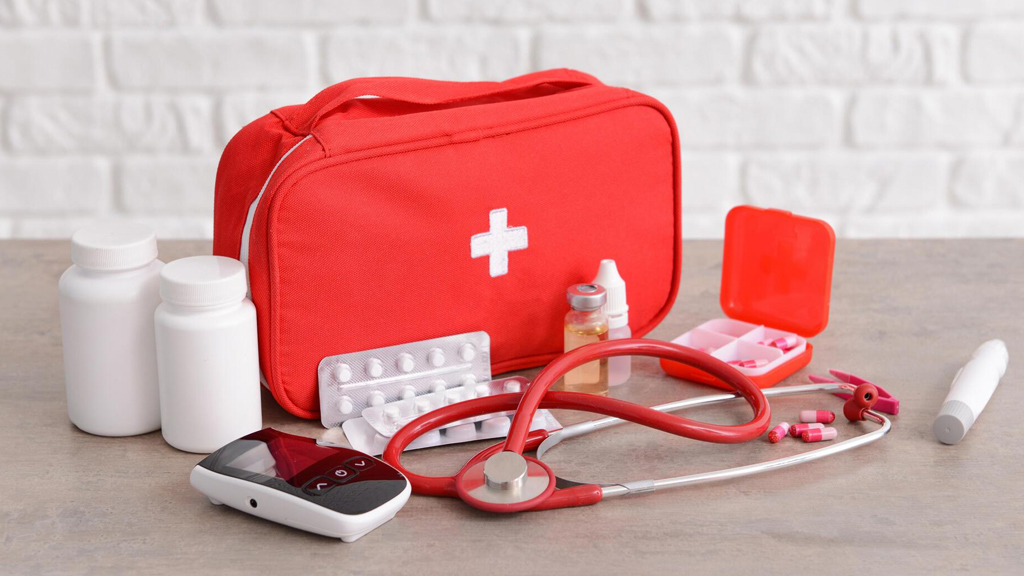
If you take daily medications, this is the most important part of your kit. Set aside a seven-day supply of prescriptions in clearly labeled containers, and include a basic first-aid kit — bandages, antiseptic wipes, pain relievers, and allergy medicine. Add a copy of your prescriptions and a list of emergency contacts, stored in a waterproof pouch. In a stressful moment, that small detail can save time and worry.
Power and Communication
When the lights go out, your phone and radio keep you connected. A portable power bank or solar charger can keep devices running, while a battery-powered or crank radio provides news updates if cell towers go down. Keep a printed list of family numbers in your kit — because digital backups don’t help when your phone’s dead.
Personal Comfort and Safety
A few thoughtful extras can make a tough situation easier. Pack warm blankets, extra clothes, and sturdy shoes. Keep spare glasses or contact lenses, and tuck away a small amount of cash — ATMs may not work during widespread outages.


Review and Refresh Regularly
Your emergency kit isn’t a one-time project. Rotate food, test flashlights, and update medical information twice a year. A quick checkup in spring and fall keeps everything current.
Being prepared doesn’t mean living in fear — it means living with confidence. When life surprises you, you’ll be ready to protect yourself and the people who matter most.
Enjoyed this? Share it!
Share your reaction!