




Urban Survival – Staying Safe When The Unexpected Happens
 ||
||About the Author
Cole Dawson is one of our contributing writers, focusing on life and survival. He believes that survival isn’t about fear—it’s about preparation. Raised in the mountains, he learned early how to rely on his hands, his tools, and his judgment. Over the years, he has studied wilderness survival, homesteading, self-reliance, and emergency preparedness—not in theory, but through real experience.
For more than two decades, Cole has been collecting and testing practical skills that keep people safe and capable: fire building, field medicine, food storage, shelter construction, navigation, situational awareness, and crisis readiness. He believes every person should know how to stay alive—not just outdoors, but in everyday life when things go wrong.
Cole isn’t a doomsday prepper—he’s a realist who believes in being ready before you need to be. Whether he’s showing how to purify water in the wild, build a first-aid kit that actually works, or plan for grid-down emergencies, his rule is simple: learn it, try it, trust it.
He believes survival doesn’t come from luck or panic—it comes from skills, mindset, and preparation.
Last Update
Updated on Jun 1, 2026
Related articles
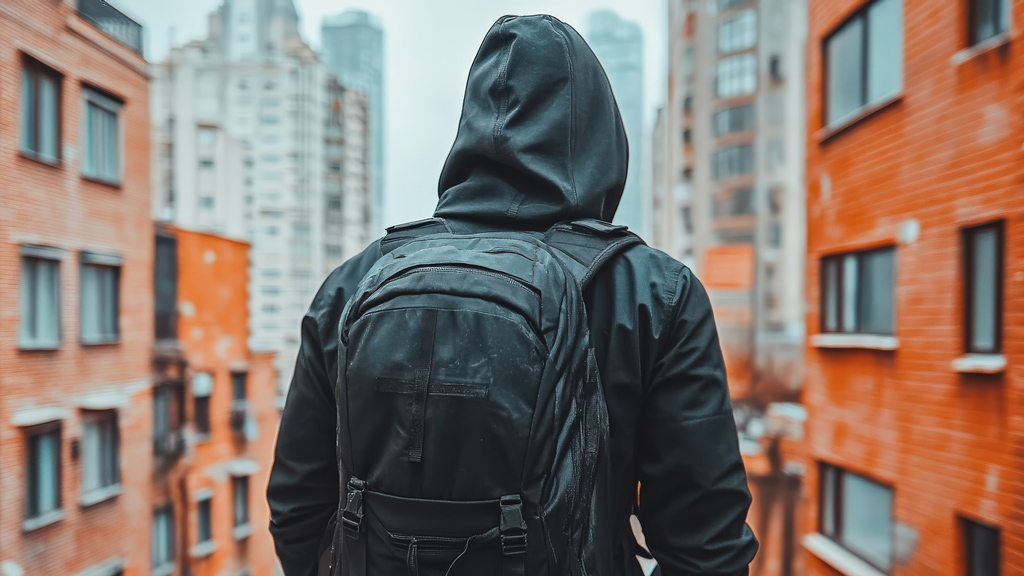
Most of us don’t think of “survival skills” as something we’d need in everyday city life — until something unexpected happens. A power outage, a public emergency, or even just getting stranded without your phone can remind us how quickly comfort can turn into chaos.
Urban survival isn’t about fear or worst-case scenarios. It’s about awareness, preparation, and staying calm when things don’t go as planned.
Stay Aware, Not Afraid
The most valuable skill in any city isn’t strength — it’s awareness. Pay attention to your surroundings without becoming paranoid. Notice exits when you enter a building, keep track of your belongings, and trust your instincts when something feels off.
Avoid distractions that limit awareness, like walking with headphones blaring or staring at your phone while crossing the street. Staying alert doesn’t mean being anxious — it means being ready to respond instead of react.


Keep the Essentials Close
You don’t need a full emergency kit to be prepared. Start with what truly matters if you’re caught off guard:
- A small power bank for your phone
- A flashlight or keychain light
- A bottle of water
- A copy of important contacts written down, not just saved digitally
These items fit easily in a backpack or glove compartment and can make a big difference during disruptions like blackouts, delays, or lost connections.
Know Your Routes and Resources
In a city, mobility is survival. Learn multiple routes to your home or workplace — walking, driving, or public transport. Apps and GPS are great, but if networks go down, old-fashioned awareness still wins.
It’s also smart to know where to find help nearby: hospitals, 24-hour stores, or safe public spaces like libraries or police stations. In an emergency, familiarity beats panic every time.
Stay Connected and Informed
Information is power during uncertainty. Sign up for local alert systems or community apps that notify you about weather, outages, or safety issues. Keep your phone charged, but also remember that in real crises, networks can fail — have a plan for meeting family or coworkers offline.
Communication is the lifeline that turns chaos into coordination.


Calm Is Your Best Tool
In the end, the most reliable “gear” you can carry is a calm mindset. Panic clouds judgment, while steady breathing and clear thinking open the door to solutions.
Urban survival isn’t about fighting nature — it’s about adapting to the environment you live in, one decision at a time.
Prepared doesn’t mean paranoid — it means confident.
And confidence, when the unexpected happens, is what truly keeps you safe.
Enjoyed this? Share it!
Share your reaction!