




Smart Survival Skills You Can Learn At Any Age
 ||
||About the Author
Cole Dawson is one of our contributing writers, focusing on life and survival. He believes that survival isn’t about fear—it’s about preparation. Raised in the mountains, he learned early how to rely on his hands, his tools, and his judgment. Over the years, he has studied wilderness survival, homesteading, self-reliance, and emergency preparedness—not in theory, but through real experience.
For more than two decades, Cole has been collecting and testing practical skills that keep people safe and capable: fire building, field medicine, food storage, shelter construction, navigation, situational awareness, and crisis readiness. He believes every person should know how to stay alive—not just outdoors, but in everyday life when things go wrong.
Cole isn’t a doomsday prepper—he’s a realist who believes in being ready before you need to be. Whether he’s showing how to purify water in the wild, build a first-aid kit that actually works, or plan for grid-down emergencies, his rule is simple: learn it, try it, trust it.
He believes survival doesn’t come from luck or panic—it comes from skills, mindset, and preparation.
Last Update
Updated on Jul 1, 2026
Related articles
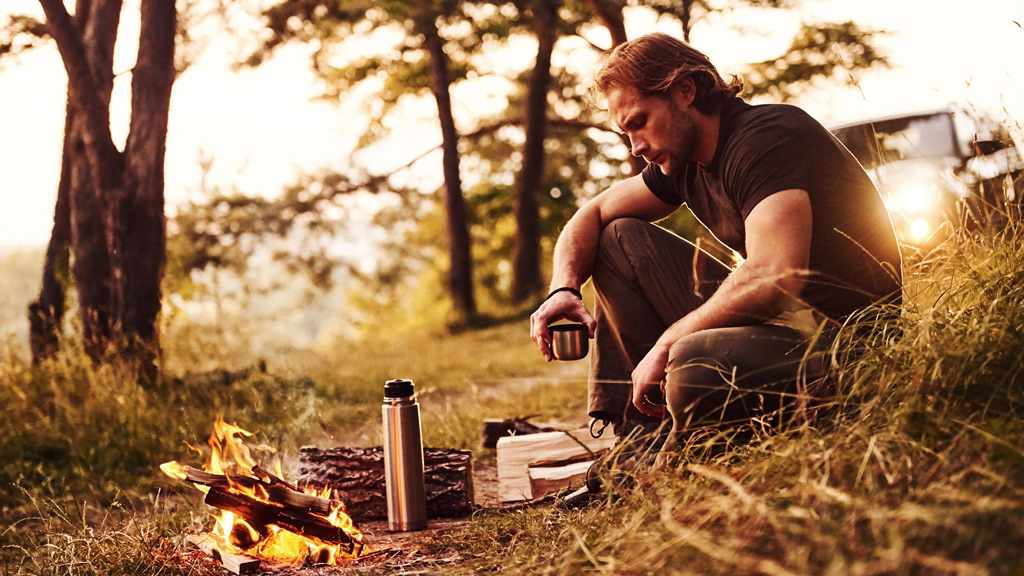
Survival isn’t just about camping in the wilderness or building fires — it’s about staying steady and resourceful when life suddenly shifts. Whether it’s a natural disaster, a long power outage, or an unexpected crisis, a few smart survival skills can make a world of difference. The best part? You don’t need to be young or adventurous to learn them. These are practical, real-life habits that anyone can build at any age.
Awareness and Observation
The foundation of every survival skill is awareness. Most of us move through our day on autopilot, but being alert to what’s around you can prevent small problems from turning into big ones. Notice where exits are when you enter a building. Pay attention to the weather, to traffic patterns, or to how people around you are acting. Awareness isn’t about fear — it’s about staying present. When you notice more, you react better.


First Aid and Health Readiness
Emergencies don’t always give you time to wait for help. Knowing basic first aid can buy precious minutes when they matter most. Every home should have a simple first-aid kit with adhesive bandages, antiseptic, pain relievers, and any personal medications. If you can, take a short CPR or first-aid course through your local Red Cross — it’s empowering to know you can step in when someone needs you.
Water and Food Preparedness
In any crisis, clean water is your lifeline. Keep at least a three-day supply stored in sealed containers, and know how to purify water by boiling or using a basic filter. Stock up on shelf-stable foods like canned beans, nut butter, or energy bars. Being prepared doesn’t mean you’re paranoid — it just means you’re practical.
Navigation and Communication
When technology fails, simple knowledge keeps you grounded. Learn how to read a map, recognize basic landmarks, and navigate without GPS. Keep an emergency radio or power bank for updates and communication, plus a printed list of family contacts. Sometimes the “old-school” tools are the ones that work best.


Mental Resilience and Calm
In every survival story, the calm person is the one who makes it through. Panic clouds judgment, but steady thinking saves energy and lives. Build your resilience by practicing calm each day — a few minutes of deep breathing, quiet reflection, or even just sitting in silence. When you train your mind to stay centered, your body naturally follows.
Survival isn’t about fear — it’s about freedom. The more capable you feel, the more confident you become. And confidence, at any age, is the ultimate life skill.
Enjoyed this? Share it!
Share your reaction!