




How To Protect Your Family In A Power Outage
 ||
||About the Author
Cole Dawson is one of our contributing writers, focusing on life and survival. He believes that survival isn’t about fear—it’s about preparation. Raised in the mountains, he learned early how to rely on his hands, his tools, and his judgment. Over the years, he has studied wilderness survival, homesteading, self-reliance, and emergency preparedness—not in theory, but through real experience.
For more than two decades, Cole has been collecting and testing practical skills that keep people safe and capable: fire building, field medicine, food storage, shelter construction, navigation, situational awareness, and crisis readiness. He believes every person should know how to stay alive—not just outdoors, but in everyday life when things go wrong.
Cole isn’t a doomsday prepper—he’s a realist who believes in being ready before you need to be. Whether he’s showing how to purify water in the wild, build a first-aid kit that actually works, or plan for grid-down emergencies, his rule is simple: learn it, try it, trust it.
He believes survival doesn’t come from luck or panic—it comes from skills, mindset, and preparation.
Last Update
Updated on Jul 1, 2026
Related articles
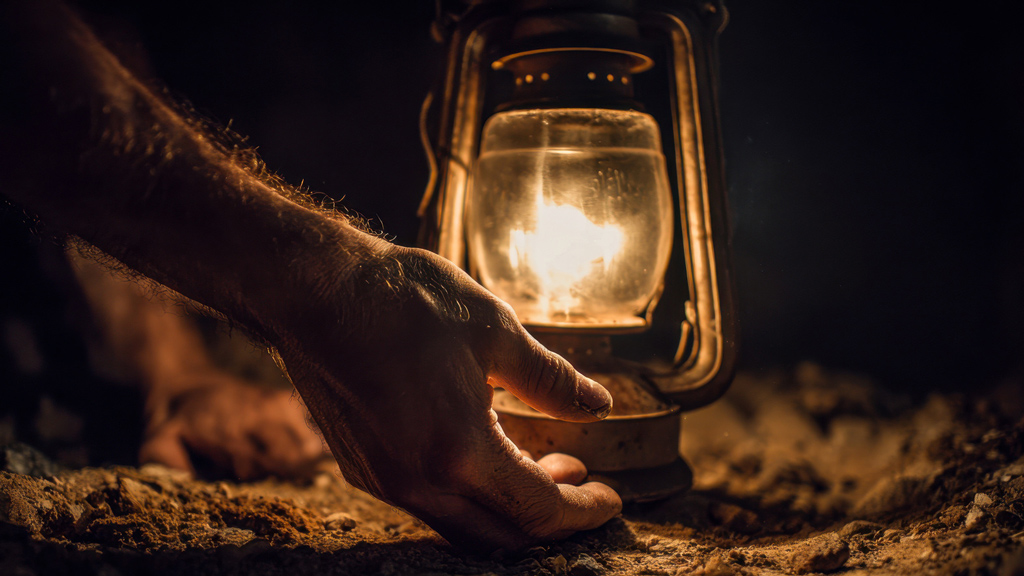
A power outage can turn an ordinary day upside down in an instant. One moment everything works — lights, heat, cooking, Wi-Fi — and the next, silence. But a blackout doesn’t have to mean chaos. With a little preparation and calm thinking, you can keep your family safe, comfortable, and confident until the lights come back on.
Stay Calm and Assess the Situation
The most important thing you can do is pause before reacting. Take a breath and check what’s really happening. Is the outage just in your home, or does it affect the whole block? Look outside for streetlights or ask a neighbor. If it’s only your house, check your breaker panel or call your utility company. And remember: never approach downed power lines — treat every one as dangerous.


Keep Everyone Warm and Comfortable
If the power goes out during cold weather, focus on keeping body heat inside the home. Gather everyone in one room, layer blankets or sleeping bags, and close doors to unused areas. Avoid heating your home with a gas stove or grill — carbon monoxide can build up quickly and silently. In hot weather, move to the coolest part of the house, drink water often, and use battery-powered fans or damp towels to stay cool.
Light and Power You Can Rely On
Skip the candles — they’re a fire hazard when everyone’s moving around in the dark. Instead, keep flashlights or battery-powered lanterns handy, with extra batteries nearby. A portable power bank can keep phones running, and a solar or hand-crank charger is a smart backup for longer outages.
Keep Food and Water Safe
Your fridge and freezer are like coolers — but only if you keep them closed. A full freezer can hold its temperature for about 48 hours; a refrigerator for about four. If the outage lasts longer, transfer perishables to a cooler with ice or dry ice. And always keep bottled water on hand — at least one gallon per person per day for three days.


Stay Connected and Keep Spirits Up
A battery-powered or hand-crank radio can keep you informed when the internet’s down. Check on neighbors, especially anyone older or living alone. Simple acts of kindness and calm leadership make everyone feel safer — including you.
Preparation isn’t about expecting the worst; it’s about knowing you can handle it. When you plan ahead, a power outage becomes just another challenge — not a crisis. And when the lights finally flicker back on, you’ll know you did it right.
Enjoyed this? Share it!
Share your reaction!