




How To Protect Your Privacy Online In 2025
 ||
||About the Author
Devin Sparks is one of our contributing writers, focusing on tech and gadgets. He believes technology should make life easier — not more complicated. Devin grew up taking things apart just to see how they worked, from old radios to his first computer. That curiosity turned into a lifelong interest in practical tech—tools and gadgets that actually improve everyday life.
He has been testing devices, apps, and smart tools — from productivity gear and home tech to new electronics and problem-solving gadgets. He focuses on tech that real people use, not just what’s trending.
Devin isn’t a corporate engineer or a hype-driven reviewer — he’s a practical thinker who cares about function over flash. Whether he’s breaking down how a gadget works, comparing products, or sharing simple tech tips, his goal is always the same: make technology useful, affordable, and easy to understand.
He believes innovation doesn’t come from buying the latest thing—it comes from finding smarter ways to live.
Last Update
Updated on Jun 6, 2026
Related articles
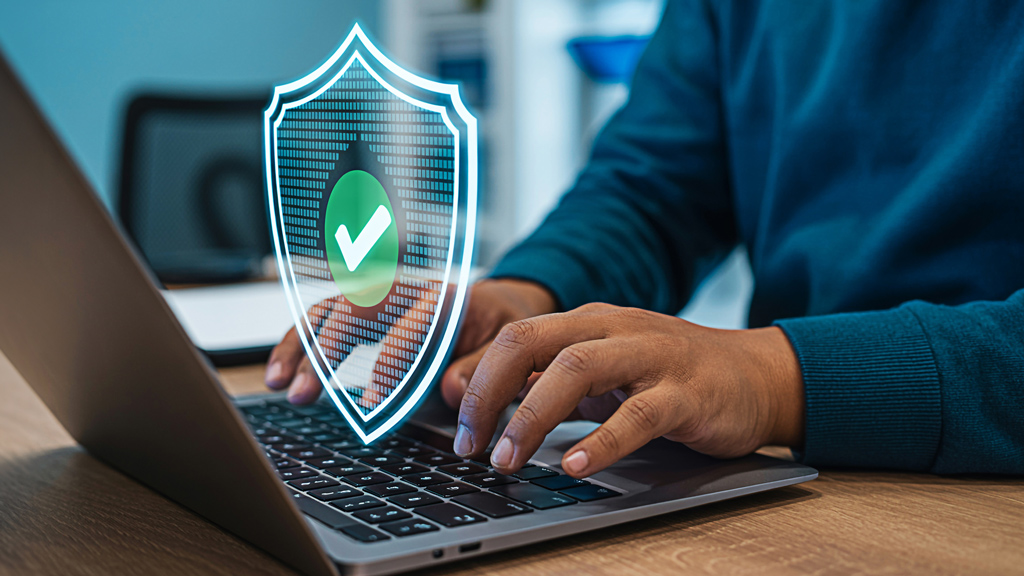
In 2025, protecting your online privacy is more important than ever. With increasing amounts of personal data shared across social media, shopping sites, and apps, your digital footprint is larger and more vulnerable. Cyber threats, data breaches, and targeted advertising have become sophisticated, making it crucial to take proactive steps to safeguard your information and maintain control over your online identity.
Understand What Data You’re Sharing
The first step in protecting your privacy is awareness. Every time you use a website or app, data such as your location, browsing habits, contact details, and even biometric information can be collected. Review the privacy policies of services you use, and understand what information they gather and how they use it. Be cautious about oversharing on social media platforms where personal details can be harvested by advertisers or malicious actors.
Use Strong, Unique Passwords and Two-Factor Authentication
Passwords are your first line of defense. Use complex passwords that combine letters, numbers, and symbols, and avoid reusing them across multiple accounts. Consider using a reputable password manager to securely generate and store your passwords. Additionally, enable two-factor authentication (2FA) wherever possible. This adds an extra layer of security by requiring a second form of verification, such as a text message code or an authentication app, making it harder for hackers to access your accounts.


Be Mindful of Public Wi-Fi and Use a VPN
Public Wi-Fi networks are often unsecured, making it easy for cybercriminals to intercept your data. Avoid accessing sensitive information like bank accounts or passwords when on public networks. Using a Virtual Private Network (VPN) encrypts your internet connection, protecting your data from prying eyes. Choose a trustworthy VPN provider that does not log your activities and offers strong encryption standards.
Limit Tracking and Manage Cookies
Websites commonly use cookies and tracking scripts to monitor your browsing behavior for targeted ads or data analytics. Adjust your browser settings to limit third-party cookies and use privacy-focused browsers or extensions that block trackers. Regularly clear your browsing data and be wary of clicking on suspicious links or ads that may lead to phishing sites.
Secure Your Devices and Keep Software Updated
Your phone, laptop, and other devices store a wealth of personal data. Protect them with strong passwords or biometric locks, and never leave them unattended in public places. Regularly update your operating system, apps, and antivirus software to patch security vulnerabilities. Many updates include critical security fixes that help protect against emerging threats.
Be Careful With Apps and Permissions
Before downloading an app, check its reviews and developer credibility. Pay attention to the permissions it requests — does a flashlight app really need access to your contacts or microphone? Deny unnecessary permissions to limit potential data exposure. On both mobile and desktop platforms, review app permissions periodically and remove apps you no longer use.
Protect Your Social Media Presence
Social media can reveal more about you than you realize. Adjust privacy settings to restrict who can see your posts and personal information. Avoid sharing sensitive details like your home address, vacation plans, or financial information publicly. Be cautious about accepting friend or follower requests from unknown individuals, as fake profiles can be used for social engineering attacks.
Know Your Rights and Stay Informed
Privacy laws are evolving rapidly worldwide, with regulations like GDPR and CCPA giving users more control over their data. Stay informed about your rights regarding data access, correction, and deletion. Use tools provided by services to manage your data preferences and consider opting out of data sharing where possible.


The Bottom Line
Protecting your privacy online in 2025 requires a combination of smart habits, the right tools, and ongoing awareness. By understanding what data you share, using strong passwords, securing your devices, and managing permissions carefully, you can significantly reduce your risk of data theft or misuse. Remember, your digital privacy is your responsibility — take active steps today to keep your personal information safe in an increasingly connected world.
Enjoyed this? Share it!
Share your reaction!