




The Evolution Of Smart Home Technology
 ||
||About the Author
Devin Sparks is one of our contributing writers, focusing on tech and gadgets. He believes technology should make life easier — not more complicated. Devin grew up taking things apart just to see how they worked, from old radios to his first computer. That curiosity turned into a lifelong interest in practical tech—tools and gadgets that actually improve everyday life.
He has been testing devices, apps, and smart tools — from productivity gear and home tech to new electronics and problem-solving gadgets. He focuses on tech that real people use, not just what’s trending.
Devin isn’t a corporate engineer or a hype-driven reviewer — he’s a practical thinker who cares about function over flash. Whether he’s breaking down how a gadget works, comparing products, or sharing simple tech tips, his goal is always the same: make technology useful, affordable, and easy to understand.
He believes innovation doesn’t come from buying the latest thing—it comes from finding smarter ways to live.
Last Update
Updated on Jun 5, 2026
Related articles
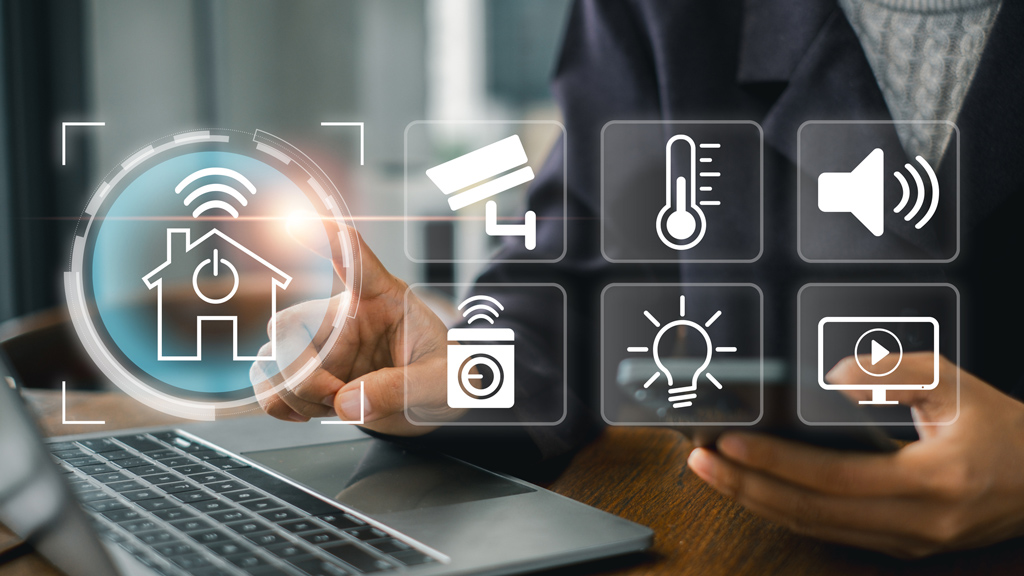
Smart home technology has come a long way from the days of clunky programmable thermostats and simple motion-sensor lights. Over the past two decades, it has evolved into a seamless ecosystem of interconnected devices designed to make life more convenient, efficient, and secure. In 2025, smart homes are no longer a luxury for tech enthusiasts — they’re becoming a standard part of modern living, integrated into everything from lighting and climate control to security and entertainment.
The Early Days: Remote Control and Basic Automation
In its infancy, smart home technology was limited to basic automation features. Devices like programmable thermostats, timer-based coffee makers, and clapper lights gave homeowners a small taste of convenience. These early systems were mostly stand-alone and required manual programming, making them useful but not particularly user-friendly. Connectivity was minimal, and devices couldn’t "talk" to one another.
The Rise of Connectivity
The introduction of Wi-Fi and affordable broadband internet in the early 2000s transformed smart home capabilities. Suddenly, devices could be controlled remotely via smartphones and laptops. Smart plugs, connected cameras, and Wi-Fi-enabled appliances began to appear in households, allowing users to monitor and adjust their homes from anywhere in the world.


Voice Assistants and the Age of Integration
A major turning point came with the launch of voice assistants like Amazon Alexa, Google Assistant, and Apple’s Siri. These platforms acted as central hubs, enabling homeowners to control multiple devices using simple voice commands. Instead of juggling several apps, users could now say, "Turn off the lights" or "Set the thermostat to 72 degrees," and the system would handle the rest. The concept of a fully integrated smart home ecosystem started to take shape.
AI, Automation, and Predictive Technology
Today’s smart homes don’t just respond to commands — they anticipate needs. Artificial intelligence and machine learning allow systems to learn user habits and adjust settings automatically. For example, your thermostat might lower the temperature when you leave for work and raise it just before you return. Smart refrigerators can suggest recipes based on what’s inside, while security systems can differentiate between a family member and a stranger using facial recognition.
Energy Efficiency and Sustainability
One of the most significant benefits of modern smart home technology is its potential to reduce energy consumption. Smart thermostats, LED lighting systems, and automated blinds work together to optimize energy use. Solar panel integration and battery storage solutions further enhance sustainability, helping homeowners reduce their carbon footprint and utility bills.
Security and Privacy Considerations
As with any connected technology, smart homes come with privacy and security concerns. Hackers can target poorly secured devices, and data collected by smart systems may be used for marketing purposes. To protect your home, it’s essential to use strong passwords, enable two-factor authentication, and regularly update device firmware.
The Future of Smart Homes
Looking ahead, smart home technology will likely become even more intuitive and interconnected. Experts predict greater use of augmented reality (AR) for home management, advanced robotics for household chores, and expanded interoperability between brands and platforms. With the rollout of faster internet technologies like 5G and beyond, response times will become instantaneous, making smart home automation feel even more natural and effortless.


The Bottom Line
From simple light timers to AI-powered ecosystems, the evolution of smart home technology reflects our desire for comfort, efficiency, and control. As devices become more intelligent and interconnected, they will continue to transform how we live — offering convenience while raising important questions about privacy and data security. Embracing this technology responsibly can help create homes that are not only smarter but also more sustainable and secure.
Enjoyed this? Share it!
Share your reaction!