




The Rise Of Wearable Health Tech – What’s Next?
 ||
||About the Author
Devin Sparks is one of our contributing writers, focusing on tech and gadgets. He believes technology should make life easier — not more complicated. Devin grew up taking things apart just to see how they worked, from old radios to his first computer. That curiosity turned into a lifelong interest in practical tech—tools and gadgets that actually improve everyday life.
He has been testing devices, apps, and smart tools — from productivity gear and home tech to new electronics and problem-solving gadgets. He focuses on tech that real people use, not just what’s trending.
Devin isn’t a corporate engineer or a hype-driven reviewer — he’s a practical thinker who cares about function over flash. Whether he’s breaking down how a gadget works, comparing products, or sharing simple tech tips, his goal is always the same: make technology useful, affordable, and easy to understand.
He believes innovation doesn’t come from buying the latest thing—it comes from finding smarter ways to live.
Last Update
Updated on Jun 1, 2026
Related articles
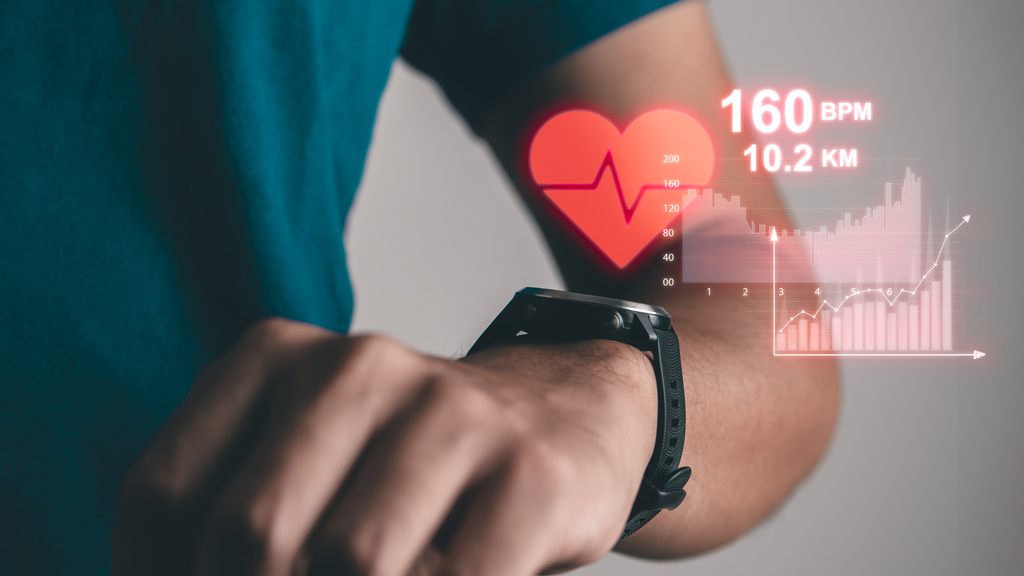
Technology is no longer just in our hands — it’s on our wrists, our fingers, even woven into our clothes. Wearable health tech has evolved far beyond simple step counters. Today’s devices are powerful tools that track everything from heart rate and sleep patterns to blood oxygen levels and even stress. And this is only the beginning.
From Fitness to Full Health Monitoring
When fitness trackers first appeared, they were mainly about motivation — counting steps, tracking workouts, and celebrating milestones. But over the past few years, wearables have shifted toward real health insights.
Smartwatches now detect irregular heart rhythms, monitor sleep quality, and can even alert you to potential health issues before you feel them. Some devices are being tested for early signs of illness, offering a glimpse into what proactive healthcare could look like.
This shift means wearables are no longer just lifestyle accessories — they’re becoming personal health companions.


A Smarter Connection Between You and Your Doctor
One of the most exciting developments in wearable tech is how it connects users with healthcare providers. Many devices can now share health data directly with medical professionals, helping doctors track long-term trends rather than isolated checkups.
This continuous flow of information can lead to earlier diagnoses, more accurate treatment plans, and a more personalized approach to health.
Privacy, of course, remains a key concern. As wearables collect more sensitive data, companies are being pushed to improve transparency and security — ensuring that personal health information stays personal.
What’s Next for Wearable Tech
The next generation of wearables is aiming for more precision and less intrusion. Smart rings and patches are replacing bulky wristbands, while some companies are exploring noninvasive glucose monitoring, hydration tracking, and even stress management through subtle biometric signals.
Artificial intelligence will also play a major role — interpreting patterns in your data to offer real-time insights, not just numbers. Imagine a wearable that knows when you’re feeling tense and reminds you to breathe before you realize it yourself.


The Future Looks Healthier
Wearable health tech isn’t about replacing doctors or turning us into data points. It’s about awareness — understanding our bodies better so we can make smarter choices every day.
As these tools become more accurate and accessible, the future of health isn’t just in hospitals or clinics — it’s right on our wrists.
Enjoyed this? Share it!
Share your reaction!