




How To Stay Safe On Long Road Trips
 ||
||About the Author
Jackson Coles is one of our contributing writers, focusing on cars and travel. He has always believed that the road isn’t just a way to get somewhere—it’s a way to live. Born with a curiosity for engines and open highways, he grew up fixing cars in his uncle’s garage and exploring small towns across America. Over the years, he turned his passion for machines and travel into a way of life.
For more than a decade, Jackson has been testing road trips, tuning cars, researching vehicle reliability, and exploring smart travel hacks that make every mile smoother. From budget-friendly builds and roadside repairs to off-grid camping setups and cross-country travel planning, he lives by one rule: freedom starts with four wheels and a full tank.
Jackson isn’t a race driver or a corporate mechanic — he’s a hands-on traveler who believes in learning by doing. Whether he’s breaking down maintenance tips, testing gear, or mapping hidden travel routes, his approach is practical, honest, and built for real life.
He believes the best journeys don’t come from luxury or luck — they come from preparation, curiosity, and the courage to hit the road.
Adventure isn’t found — it’s driven.
Last Update
Updated on Jul 1, 2026
Related articles
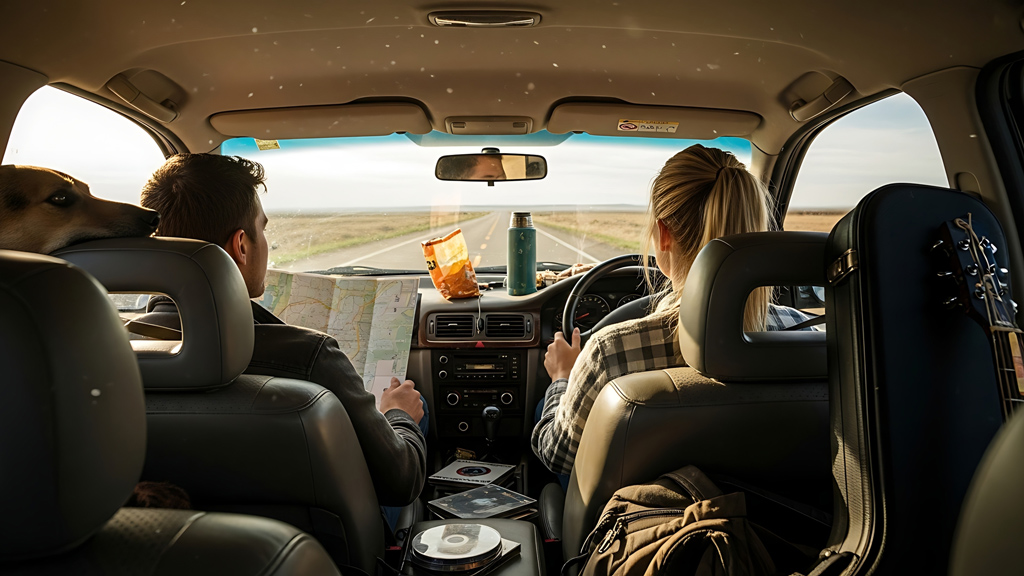
There’s nothing like the freedom of a long road trip — open highways, great playlists, and a chance to see the country your way. But spending hours behind the wheel can also bring risks that sneak up slowly: fatigue, poor planning, or small car issues that turn into big problems. Staying safe on the road doesn’t mean giving up the adventure; it just means being smart about it.
Plan Before You Go
A safe trip starts before you ever hit the road. Make sure your car is road-trip ready: check your oil, tire pressure, wiper blades, and coolant. Bring an extra quart of oil and a small emergency kit — jumper cables, flashlight, and a first-aid kit. Don’t forget to map out fuel stops and rest areas ahead of time, especially on long rural stretches.


Rest Is Part of the Plan
Fatigue is one of the biggest dangers on long drives. Get a full night’s sleep before your trip, and take a 15-minute break every two hours. Stretch your legs, hydrate, and give your eyes a break from the road. If you start to feel drowsy, switch drivers or pull over for a quick nap. Caffeine helps for a while — but rest is the real fix.
Stay Hydrated and Eat Smart
Road snacks are fun, but sugar and greasy food can make you sluggish. Keep water, fruit, and light protein snacks within reach. Staying hydrated keeps you alert and focused — especially during hot-weather drives.
Use Tech Wisely
Navigation apps and safety features are great tools, but don’t let them distract you. Mount your phone where you can glance at it easily, and set your route before driving. Hands-free calls and voice commands keep your focus on the road where it belongs.


Know When to Stop
No destination is worth pushing your limits. If weather turns bad or you’re simply exhausted, find a safe spot to rest or a nearby motel. Being flexible keeps you safe — and often leads to great, unexpected stops along the way.
A road trip is meant to be memorable for the right reasons. With a little planning, smart pacing, and calm awareness, you’ll not only reach your destination safely but enjoy every mile of the journey.
Enjoyed this? Share it!
Share your reaction!