




The Smart Way To Prepare Your Car For Winter
 ||
||About the Author
Jackson Coles is one of our contributing writers, focusing on cars and travel. He has always believed that the road isn’t just a way to get somewhere—it’s a way to live. Born with a curiosity for engines and open highways, he grew up fixing cars in his uncle’s garage and exploring small towns across America. Over the years, he turned his passion for machines and travel into a way of life.
For more than a decade, Jackson has been testing road trips, tuning cars, researching vehicle reliability, and exploring smart travel hacks that make every mile smoother. From budget-friendly builds and roadside repairs to off-grid camping setups and cross-country travel planning, he lives by one rule: freedom starts with four wheels and a full tank.
Jackson isn’t a race driver or a corporate mechanic — he’s a hands-on traveler who believes in learning by doing. Whether he’s breaking down maintenance tips, testing gear, or mapping hidden travel routes, his approach is practical, honest, and built for real life.
He believes the best journeys don’t come from luxury or luck — they come from preparation, curiosity, and the courage to hit the road.
Adventure isn’t found — it’s driven.
Last Update
Updated on Jul 1, 2026
Related articles
Winter driving can be beautiful — quiet roads, snowy landscapes, that first cup of coffee on a cold morning while the world outside sparkles with frost. But the season also brings challenges your car doesn’t face the rest of the year. Batteries die, tires lose traction, and small oversights can turn into big problems fast. Preparing your vehicle before the first freeze isn’t just smart — it’s how you keep winter driving calm, safe, and stress-free.
Check Your Battery
Cold temperatures drain battery power faster than most people realize. A battery that seems fine in fall might not have enough juice to start your car in January. Have it tested at a local auto shop or parts store (many do it for free), clean any corrosion, and make sure the cables are snug. If it’s three years old or more, consider a replacement — it’s cheaper than a tow in the snow.


Inspect Your Tires
Tires are your only contact with the road, and winter roads can be unpredictable. Check tread depth and pressure — both affect traction. Remember that tire pressure drops about one PSI for every 10°F the temperature falls. If snow or ice is common where you live, switching to winter tires isn’t overkill — it’s confidence you can feel in every turn.
Keep Your Fluids Winter-Ready
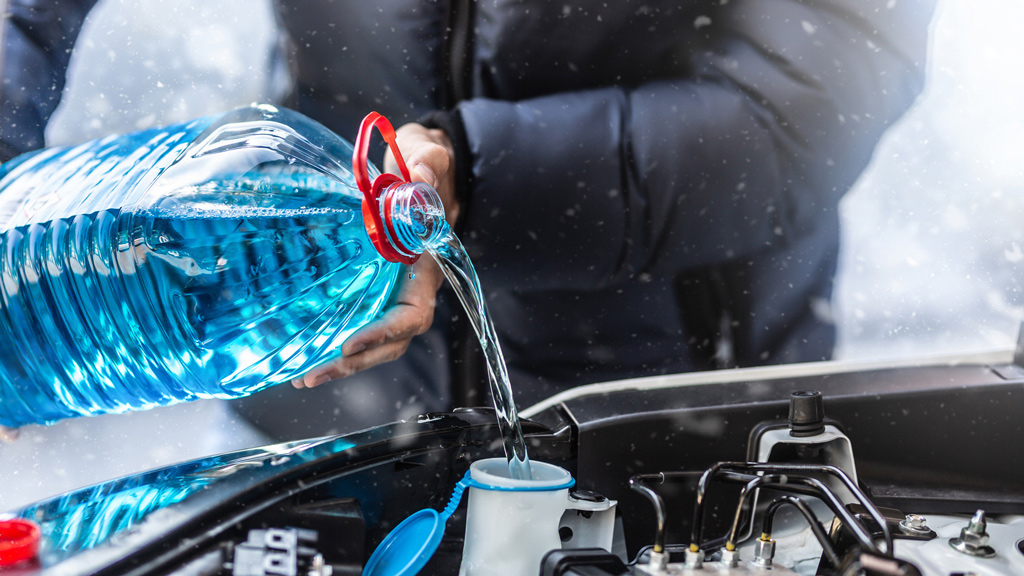
Fluids are your car’s lifelines. Make sure your oil change is up to date, and if you live in a very cold region, ask your mechanic about winter-grade oil that flows better in low temps. Top off your antifreeze and washer fluid — and be sure it’s the kind that won’t freeze on contact with your windshield.
Protect Your Visibility
Seeing and being seen are half the battle in winter driving. Replace old wiper blades before the first storm, clean your windshield inside and out, and carry an ice scraper and de-icer spray. Don’t forget your headlights — cloudy lenses can reduce brightness by up to half. A quick polish makes a huge difference when you’re driving through snow or fog.


Stock a Cold-Weather Emergency Kit
You may never need it, but if you do, you’ll be thankful it’s there. Pack a blanket, gloves, flashlight, jumper cables, a small shovel, and some sand or cat litter for traction. Include bottled water, a few snacks, and a portable phone charger. If you ever get stuck, these simple items can turn a stressful wait into a safe one.
The Bottom Line
Winter doesn’t have to mean white-knuckle driving or surprise breakdowns. A little time spent now can save hours — and hundreds of dollars — later. Preparing your car for winter isn’t just about safety; it’s about peace of mind. When you know your vehicle’s ready for the cold, every drive feels a little warmer.
Enjoyed this? Share it!
Share your reaction!