




Tech On The Road – How Cars Are Getting Smarter
 ||
||About the Author
Jackson Coles is one of our contributing writers, focusing on cars and travel. He has always believed that the road isn’t just a way to get somewhere—it’s a way to live. Born with a curiosity for engines and open highways, he grew up fixing cars in his uncle’s garage and exploring small towns across America. Over the years, he turned his passion for machines and travel into a way of life.
For more than a decade, Jackson has been testing road trips, tuning cars, researching vehicle reliability, and exploring smart travel hacks that make every mile smoother. From budget-friendly builds and roadside repairs to off-grid camping setups and cross-country travel planning, he lives by one rule: freedom starts with four wheels and a full tank.
Jackson isn’t a race driver or a corporate mechanic — he’s a hands-on traveler who believes in learning by doing. Whether he’s breaking down maintenance tips, testing gear, or mapping hidden travel routes, his approach is practical, honest, and built for real life.
He believes the best journeys don’t come from luxury or luck — they come from preparation, curiosity, and the courage to hit the road.
Adventure isn’t found — it’s driven.
Last Update
Updated on Jul 1, 2026
Related articles
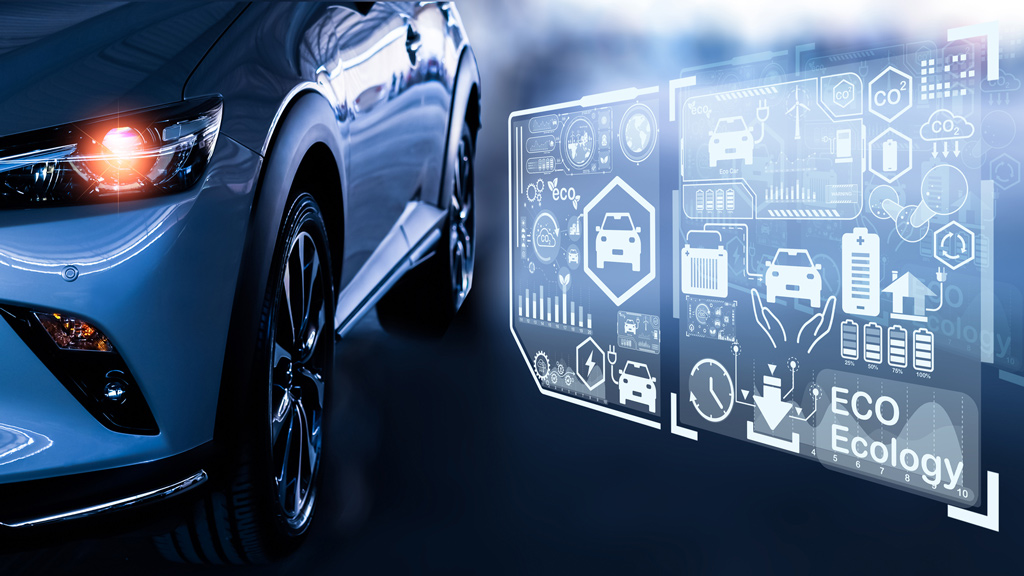
Cars have come a long way from simple machines that got us from point A to point B. Today, they’re rolling computers — smarter, safer, and more connected than ever. From built-in navigation that learns your habits to sensors that prevent accidents before they happen, modern vehicles are quietly reshaping how we drive.
Driving with More Awareness
One of the biggest changes in car technology is how it enhances driver awareness. Features like lane-keeping assistance, adaptive cruise control, and blind-spot monitoring are now standard in many new vehicles. These tools don’t replace the driver — they support them, creating a safety net that helps prevent common mistakes caused by fatigue or distraction.
Even parking has become easier. Cameras and ultrasonic sensors can guide you into tight spaces with surprising accuracy. It’s technology designed not to impress, but to make everyday driving a little less stressful.


Smarter Navigation and Real-Time Data
Gone are the days of unfolding paper maps or guessing the best route. Today’s cars use real-time data to adjust directions based on traffic, weather, and even road conditions ahead. Some systems can predict congestion before you hit it and automatically suggest a faster detour.
Many infotainment systems now sync seamlessly with smartphones, allowing drivers to use familiar apps safely through voice control. The goal is convenience without distraction — helping you stay connected while keeping your eyes on the road.
Electric and Connected Cars
The rise of electric vehicles (EVs) has brought more than cleaner energy — it’s introduced smarter driving altogether. EVs often come with built-in connectivity that tracks performance, schedules maintenance, and finds the nearest charging station automatically.
Meanwhile, connected cars can share information with one another and with city infrastructure. This “vehicle-to-everything” communication could soon help prevent accidents and improve traffic flow in ways we’re only beginning to imagine.
What’s Next for Smart Driving
The next wave of innovation focuses on personalization. Artificial intelligence will learn your driving style — adjusting seat position, temperature, and even music preferences automatically. Over-the-air updates will continuously improve safety systems, just like software updates on your phone.
And while fully self-driving cars aren’t quite ready for everyday life, the technology being tested today is already influencing how manufacturers design safer, more efficient vehicles for tomorrow.


A Smarter Road Ahead
Car tech is no longer about luxury — it’s about making driving safer, easier, and more enjoyable for everyone. The smartest cars aren’t the ones that drive themselves, but the ones that help you drive better.
As innovation continues, the open road may soon feel a little less demanding — and a lot more intelligent.
Enjoyed this? Share it!
Share your reaction!