




The Rise Of Electric Cars – What Drivers Should Know
 ||
||About the Author
Jackson Coles is one of our contributing writers, focusing on cars and travel. He has always believed that the road isn’t just a way to get somewhere—it’s a way to live. Born with a curiosity for engines and open highways, he grew up fixing cars in his uncle’s garage and exploring small towns across America. Over the years, he turned his passion for machines and travel into a way of life.
For more than a decade, Jackson has been testing road trips, tuning cars, researching vehicle reliability, and exploring smart travel hacks that make every mile smoother. From budget-friendly builds and roadside repairs to off-grid camping setups and cross-country travel planning, he lives by one rule: freedom starts with four wheels and a full tank.
Jackson isn’t a race driver or a corporate mechanic — he’s a hands-on traveler who believes in learning by doing. Whether he’s breaking down maintenance tips, testing gear, or mapping hidden travel routes, his approach is practical, honest, and built for real life.
He believes the best journeys don’t come from luxury or luck — they come from preparation, curiosity, and the courage to hit the road.
Adventure isn’t found — it’s driven.
Last Update
Updated on Jul 1, 2026
Related articles
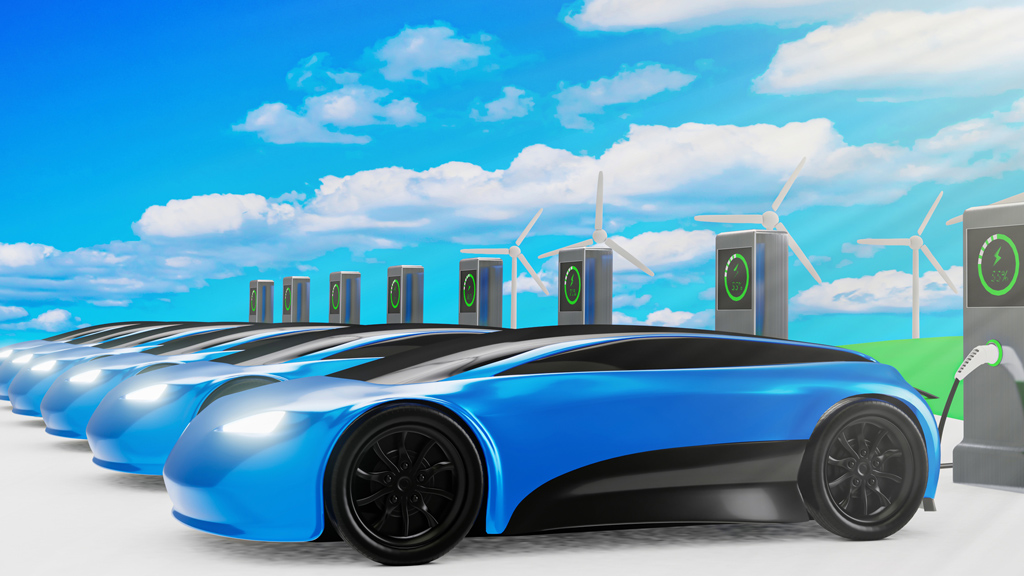
Electric cars are no longer a futuristic concept — they’re here, growing fast, and changing the way we think about driving. As charging networks expand and prices slowly drop, more drivers are starting to ask the same question: Is it time to go electric?
Understanding the Shift
The rise of electric vehicles (EVs) isn’t just a trend — it’s part of a global shift toward cleaner, more efficient transportation. Governments are offering tax incentives, cities are adding charging stations, and automakers are committing to all-electric lineups within the next decade.
For drivers, this means new opportunities — but also new things to learn. Switching from gas to electric changes how you plan trips, refuel, and even maintain your car.

Charging – Easier Than You Might Think
One of the biggest myths about EVs is that charging is complicated. In reality, most drivers handle 80–90% of their charging at home. A standard outlet works overnight for short daily commutes, while a dedicated Level 2 charger can fully recharge most vehicles in a few hours.
Public charging networks are also expanding rapidly. Apps like PlugShare or ChargePoint help you locate stations and even check if they’re available before you arrive. Planning ahead makes long trips just as convenient as traditional refueling — only cleaner and quieter.
Maintenance and Longevity
Electric cars have far fewer moving parts than traditional vehicles. No oil changes, no timing belts, no exhaust systems. That means fewer visits to the mechanic and lower lifetime maintenance costs.
The main component to care for is the battery — but most EVs now come with warranties covering 8 to 10 years. Modern batteries are built to last, and real-world data shows that most retain over 80% of their capacity even after years of driving.
Cost and Savings Over Time
While EVs can be more expensive upfront, the long-term savings often surprise new owners. Electricity is cheaper than gasoline, and maintenance costs are much lower. Add in state or federal tax credits, and the numbers start to make sense — especially for those who drive often.


The Road Ahead
The future of driving is electric, but that doesn’t mean every driver needs to switch right now. What matters is understanding the benefits, challenges, and options available.
Electric vehicles represent more than just a new kind of car — they’re a step toward cleaner air, quieter roads, and a smarter way to move. And as technology improves, the question won’t be if we’ll drive electric — but when.
Enjoyed this? Share it!
Share your reaction!