




Common Nutrient Deficiencies And How To Avoid Them
 ||
||About the Author
Evelyn Hartwell is one of our contributing writers, focusing on health and wellness. She has always believed that true health begins with understanding your body and mind. A lifelong learner and wellness advocate, she grew up blending the wisdom of natural living with evidence-based health practices. Over the past fifteen years, she has explored everything from traditional remedies and holistic healing to modern nutrition science, fitness methods, and mental resilience strategies.
Evelyn is not a doctor—she is a dedicated explorer of healthy living, always searching for practical, sustainable ways to help people feel and live better. Her work focuses on everyday wellness: balanced habits, functional nutrition, emotional well-being, natural energy, stress management, and lifelong vitality.
Whether she’s testing a superfood, breaking down a fitness method, or simplifying expert advice, her approach stays the same: stay curious, stay real, and always listen to your body. She believes progress in health never comes from quick fixes or empty promises—it comes from small, consistent actions.
Knowledge means nothing unless it’s lived—wellness is a practice, not a trend.
Last Update
Updated on Jun 23, 2026
Related articles
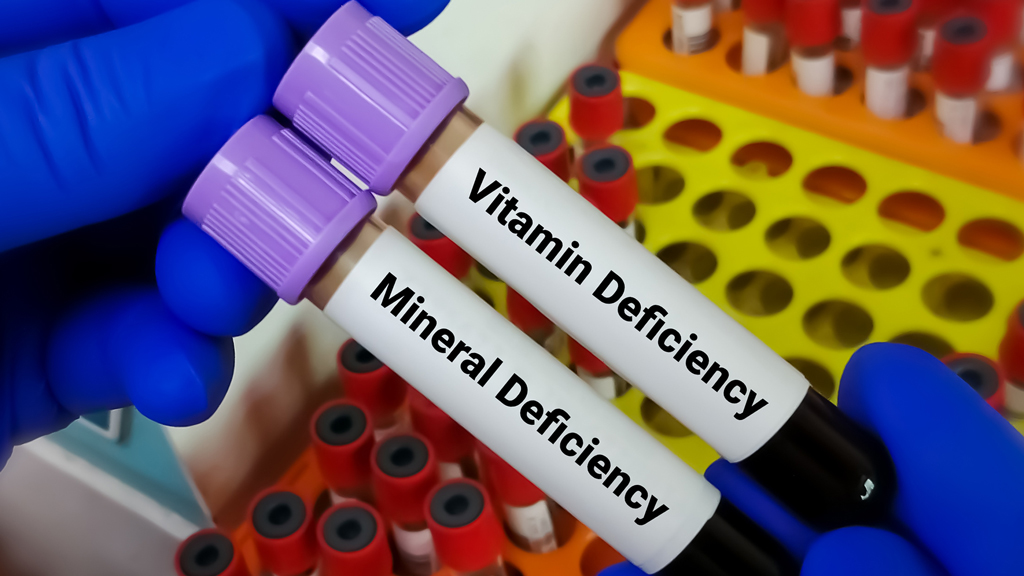
You might be eating well and trying to stay healthy, but even a balanced diet can miss key nutrients — especially as we age. Deficiencies often develop quietly, showing up later as fatigue, low mood, weak immunity, or brain fog. The good news? A few smart tweaks can keep your body fully fueled and feeling its best.
Vitamin D — The Sunshine Vitamin
Vitamin D supports bone health, immunity, and mood. Low levels are common in adults who spend most of their time indoors or live in cloudy regions. Fatigue, low mood, and bone pain are classic signs. Spend 10–20 minutes in sunlight daily, eat foods like salmon, eggs, and fortified milk, and ask your doctor if a supplement makes sense for you.
Iron — The Energy Booster
Iron helps carry oxygen through your blood. Low iron can leave you feeling tired, lightheaded, or pale. Women, vegetarians, and athletes are most at risk. Add lean meats, spinach, lentils, or chickpeas to your meals, and pair them with vitamin C foods (like oranges or peppers) to boost absorption naturally.


Vitamin B12 — For Brain and Nerve Health
B12 supports focus, memory, and energy, but absorption often decreases with age. Vegans, vegetarians, and adults over 50 are more likely to be deficient. Fatigue, tingling in hands or feet, or forgetfulness are early clues. Include eggs, dairy, fish, or B12-fortified plant milks — or ask your doctor about supplements.
Magnesium — The Calm Mineral
Magnesium helps regulate sleep, stress, and muscle function. Low levels can cause cramps, anxiety, or trouble sleeping. Get more from leafy greens, nuts, seeds, dark chocolate, and whole grains. If stress is high or your diet is light on plants, a supplement may help.
Iodine — The Thyroid Helper
Iodine keeps your thyroid — and metabolism — running smoothly. Deficiency can cause fatigue, weight gain, or dry skin. Use iodized salt, and eat seafood, dairy, and eggs regularly for a steady supply.


Don’t Guess — Get Tested
If you suspect a deficiency, don’t self-diagnose. A simple blood test can show exactly what you need, so you can fix it safely and effectively.
The Bottom Line
Even if you eat well, age, stress, and modern diets can leave small nutrient gaps. Paying attention to these essentials keeps your energy high, your mood steady, and your body strong — because true wellness starts with giving your body what it’s quietly been missing.
Enjoyed this? Share it!
Share your reaction!