




The Real Difference Between Fat Loss And Weight Loss
 ||
||About the Author
Evelyn Hartwell is one of our contributing writers, focusing on health and wellness. She has always believed that true health begins with understanding your body and mind. A lifelong learner and wellness advocate, she grew up blending the wisdom of natural living with evidence-based health practices. Over the past fifteen years, she has explored everything from traditional remedies and holistic healing to modern nutrition science, fitness methods, and mental resilience strategies.
Evelyn is not a doctor—she is a dedicated explorer of healthy living, always searching for practical, sustainable ways to help people feel and live better. Her work focuses on everyday wellness: balanced habits, functional nutrition, emotional well-being, natural energy, stress management, and lifelong vitality.
Whether she’s testing a superfood, breaking down a fitness method, or simplifying expert advice, her approach stays the same: stay curious, stay real, and always listen to your body. She believes progress in health never comes from quick fixes or empty promises—it comes from small, consistent actions.
Knowledge means nothing unless it’s lived—wellness is a practice, not a trend.
Last Update
Updated on Jun 25, 2026
Related articles
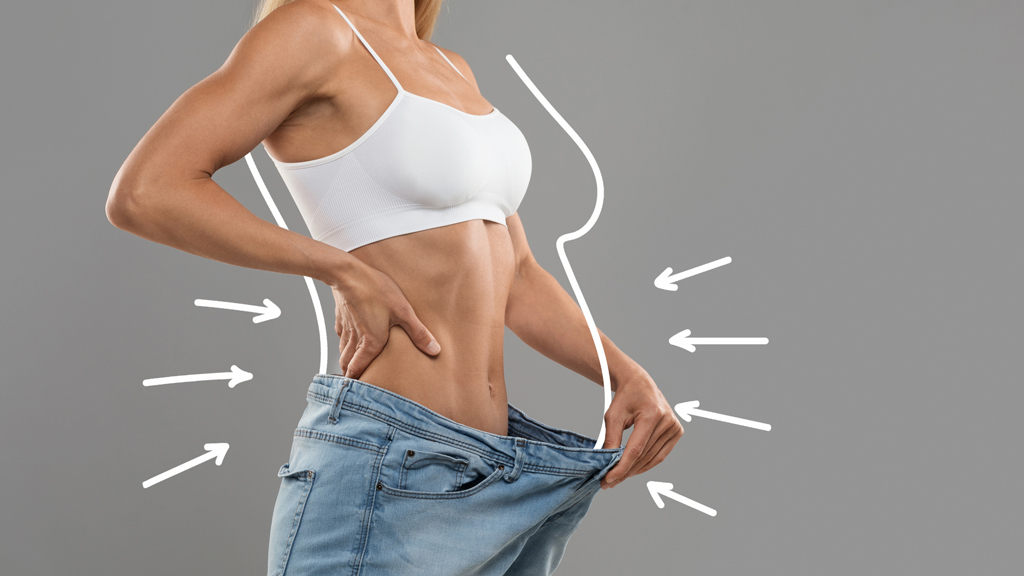
Many people use the terms "fat loss" and "weight loss" interchangeably, but they are not the same thing. Understanding the distinction between the two is crucial if you want to achieve a healthier, more sustainable body transformation.
What is Weight Loss?
Weight loss simply refers to a reduction in your overall body weight. This includes not just fat, but also muscle mass, water, bone density, and even the contents of your digestive system. When you step on a scale and see the number go down, it doesn’t necessarily mean you’ve lost fat — you could have lost water weight after a salty meal or shed muscle during a crash diet.
What is Fat Loss?
Fat loss, on the other hand, is more targeted. It refers specifically to the reduction of body fat — the soft tissue stored under the skin and around internal organs. This is what most people actually mean when they say they want to "lose weight." Fat loss leads to better body composition, improved metabolic health, and a more toned appearance.


Why the Difference Matters
One of the main reasons this distinction matters is that losing muscle along with fat can slow down your metabolism. Muscle tissue burns more calories at rest than fat does. So, when your diet causes you to lose both fat and muscle, your metabolism slows, making it harder to keep the weight off in the long term.
This is why many people regain the weight after fad diets or extreme caloric restriction. The scale might show a drop, but the loss often includes valuable lean muscle mass. As a result, the body becomes less efficient at burning calories, increasing the likelihood of rebound weight gain.
How to Focus on Fat Loss
To focus on fat loss rather than just weight loss, it’s essential to take a smarter approach to diet and exercise. Strength training plays a critical role. Lifting weights or doing bodyweight resistance exercises helps preserve and build muscle, even as you’re in a caloric deficit. This ensures that most of the weight you lose comes from fat stores, not lean tissue.
Nutrition is also key. Instead of drastically cutting calories, aim for a slight caloric deficit while prioritizing protein intake and whole, nutrient-dense foods. Protein helps preserve muscle, supports recovery, and increases satiety, making it easier to stick with your plan long term.
Hydration and sleep shouldn’t be overlooked either. Poor sleep and dehydration can disrupt hormones related to hunger and fat storage, such as cortisol, ghrelin, and leptin. Staying hydrated and getting 7–9 hours of sleep per night can help regulate appetite and support recovery.
Tracking Fat Loss
A better way to track fat loss — instead of just relying on the scale — is by measuring body composition. Tools like skinfold calipers, smart scales that estimate fat percentage, or even how your clothes fit can provide better insight. Progress photos and measurements around the waist, hips, and thighs are also great indicators of real fat loss.
Patience and Consistency
It’s also important to know that fat loss takes time and consistency. Unlike water weight, which can fluctuate dramatically from day to day, shedding fat happens gradually. A healthy and realistic rate is about 0.5 to 1 pound of fat per week, depending on your body and routine.


The Real Goal
Lastly, your goal shouldn’t be just to weigh less — it should be to look, feel, and function better. Losing body fat while maintaining or increasing muscle leads to improved strength, better posture, more energy, and greater confidence. That’s a far more rewarding outcome than chasing a random number on the scale.
Conclusion
In conclusion, weight loss and fat loss are not the same. While the scale might give you a quick snapshot of change, it doesn’t tell the whole story. By focusing on preserving muscle, fueling your body properly, and staying consistent, you can achieve fat loss that’s sustainable, healthy, and empowering.
Enjoyed this? Share it!
Share your reaction!