




What Causes Dark Circles And How To Reduce Them
 ||
||About the Author
Evelyn Hartwell is one of our contributing writers, focusing on health and wellness. She has always believed that true health begins with understanding your body and mind. A lifelong learner and wellness advocate, she grew up blending the wisdom of natural living with evidence-based health practices. Over the past fifteen years, she has explored everything from traditional remedies and holistic healing to modern nutrition science, fitness methods, and mental resilience strategies.
Evelyn is not a doctor—she is a dedicated explorer of healthy living, always searching for practical, sustainable ways to help people feel and live better. Her work focuses on everyday wellness: balanced habits, functional nutrition, emotional well-being, natural energy, stress management, and lifelong vitality.
Whether she’s testing a superfood, breaking down a fitness method, or simplifying expert advice, her approach stays the same: stay curious, stay real, and always listen to your body. She believes progress in health never comes from quick fixes or empty promises—it comes from small, consistent actions.
Knowledge means nothing unless it’s lived—wellness is a practice, not a trend.
Last Update
Updated on Jun 9, 2026
Related articles
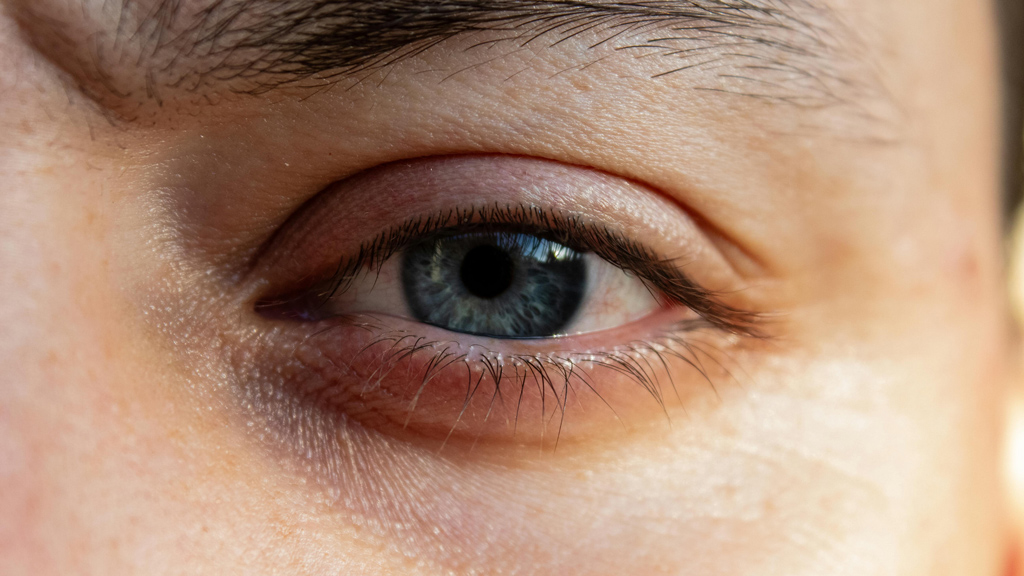
Dark circles under the eyes are a common concern that can make you look tired or older than you feel. Understanding the underlying causes and effective ways to reduce them can help you achieve a fresher, more youthful appearance.
Common Causes of Dark Circles
Dark circles can result from a variety of factors. Genetics often play a major role—if your parents have them, you might too. Other causes include lack of sleep, allergies, dehydration, and age-related skin thinning, which makes blood vessels more visible beneath the skin.
Lifestyle Factors
Poor sleep quality or insufficient sleep can cause blood vessels to dilate, leading to darker shadows under the eyes. Allergies trigger histamine release, causing swelling and increased blood flow, which can worsen dark circles. Dehydration leads to dull, sunken skin, emphasizing the hollow look. Smoking and excessive sun exposure also contribute by damaging skin and accelerating aging.


How to Reduce Dark Circles
Start with improving your sleep habits: aim for 7–9 hours of quality rest each night. Managing allergies through medication or avoiding triggers can reduce puffiness and discoloration. Staying well hydrated and eating a balanced diet rich in vitamins C, K, and E supports skin health. Applying cold compresses or chilled tea bags can temporarily constrict blood vessels and reduce swelling.
Skincare and Treatments
Use eye creams containing ingredients like retinol, vitamin C, and caffeine to boost collagen production, brighten skin, and improve circulation. For more persistent dark circles, dermatological treatments such as chemical peels, laser therapy, or fillers can address pigmentation and volume loss.


The Bottom Line
Dark circles usually result from a mix of genetics, lifestyle habits, and skin changes over time. While they may not disappear completely, their appearance can be significantly reduced with consistent care. Prioritize quality sleep, stay well-hydrated, and use gentle, nourishing skincare products to support the delicate skin around your eyes. Combining healthy habits with targeted treatments can help you achieve a brighter, more refreshed, and youthful look.
Enjoyed this? Share it!
Share your reaction!