



What Really Happens To Your Skin As You Age
 ||
||About the Author
Evelyn Hartwell is one of our contributing writers, focusing on health and wellness. She has always believed that true health begins with understanding your body and mind. A lifelong learner and wellness advocate, she grew up blending the wisdom of natural living with evidence-based health practices. Over the past fifteen years, she has explored everything from traditional remedies and holistic healing to modern nutrition science, fitness methods, and mental resilience strategies.
Evelyn is not a doctor—she is a dedicated explorer of healthy living, always searching for practical, sustainable ways to help people feel and live better. Her work focuses on everyday wellness: balanced habits, functional nutrition, emotional well-being, natural energy, stress management, and lifelong vitality.
Whether she’s testing a superfood, breaking down a fitness method, or simplifying expert advice, her approach stays the same: stay curious, stay real, and always listen to your body. She believes progress in health never comes from quick fixes or empty promises—it comes from small, consistent actions.
Knowledge means nothing unless it’s lived—wellness is a practice, not a trend.
Last Update
Updated on Jun 11, 2026
Related articles
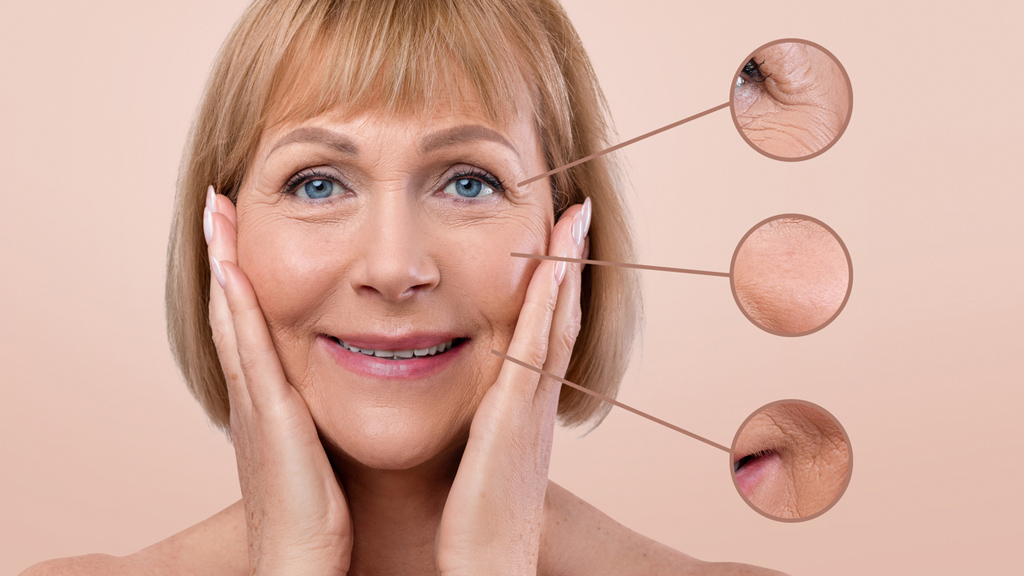
Aging is a natural process that affects every part of your body — including your skin. Understanding what really happens to your skin as you age can help you take better care of it and maintain a healthy, radiant appearance for longer.
Thinning and Loss of Elasticity
As you age, your skin’s outer layer (epidermis) becomes thinner and more fragile. At the same time, the deeper layer (dermis), which contains collagen and elastin fibers, starts to break down. Collagen provides structure, while elastin gives skin its ability to stretch and bounce back. The reduction of these proteins causes skin to lose its firmness and elasticity, leading to wrinkles and sagging.
Decreased Moisture and Dryness
Older skin produces less natural oils, which help keep it hydrated. This decline in oil production can cause dryness, rough texture, and flakiness. Dry skin is more prone to irritation and can make fine lines more noticeable. Using moisturizers and drinking plenty of water can help combat these effects.


Slower Cell Renewal
The process of skin cell turnover slows down with age. This means dead skin cells accumulate on the surface, resulting in dullness and uneven skin tone. Regular gentle exfoliation can support this process by removing dead cells and encouraging new, healthy skin to emerge.
Reduced Blood Flow and Healing
Blood circulation in the skin decreases over time, which means less oxygen and nutrients reach skin cells. This can impair healing and make your skin more vulnerable to damage. Protecting your skin from excessive sun exposure and avoiding smoking can help maintain better circulation.
Increased Sensitivity and Risk of Damage
Aging skin becomes more sensitive to environmental stressors like UV rays, pollution, and harsh skincare products. This increases the risk of sunspots, pigmentation changes, and other types of damage. Wearing sunscreen daily and using gentle skincare products are essential steps to protect aging skin.


How to Support Healthy Aging Skin
While aging is inevitable, you can support your skin’s health by adopting a consistent skincare routine that includes cleansing, moisturizing, sun protection, and nourishing ingredients like antioxidants and peptides. Staying hydrated, eating a balanced diet, and avoiding smoking also play crucial roles in maintaining skin vitality.
In conclusion, your skin undergoes several changes as you age, from thinning and dryness to reduced elasticity and slower healing. Understanding these processes empowers you to take better care of your skin and age gracefully with confidence.
Enjoyed this? Share it!
Share your reaction!