




Cultural Eating Habits That Promote Longevity
 ||
||About the Author
Evelyn Hartwell is one of our contributing writers, focusing on health and wellness. She has always believed that true health begins with understanding your body and mind. A lifelong learner and wellness advocate, she grew up blending the wisdom of natural living with evidence-based health practices. Over the past fifteen years, she has explored everything from traditional remedies and holistic healing to modern nutrition science, fitness methods, and mental resilience strategies.
Evelyn is not a doctor—she is a dedicated explorer of healthy living, always searching for practical, sustainable ways to help people feel and live better. Her work focuses on everyday wellness: balanced habits, functional nutrition, emotional well-being, natural energy, stress management, and lifelong vitality.
Whether she’s testing a superfood, breaking down a fitness method, or simplifying expert advice, her approach stays the same: stay curious, stay real, and always listen to your body. She believes progress in health never comes from quick fixes or empty promises—it comes from small, consistent actions.
Knowledge means nothing unless it’s lived—wellness is a practice, not a trend.
Last Update
Updated on Jun 27, 2026
Related articles
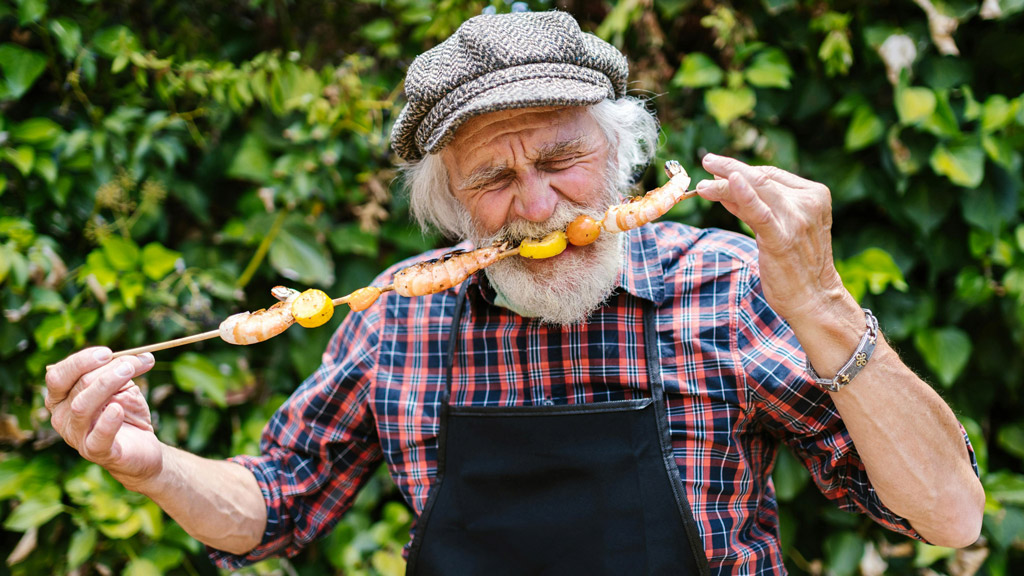
Around the world, certain cultures are known for their exceptional longevity and overall health. Much of this is attributed to their unique eating habits, which emphasize whole foods, balance, and mindful consumption. Exploring these traditions can offer valuable insights into how diet influences lifespan and well-being.
The Mediterranean Diet
Popular across countries like Greece, Italy, and Spain, the Mediterranean diet centers around fresh, wholesome ingredients — fruits, vegetables, whole grains, legumes, nuts, and olive oil. Fish and poultry are eaten in moderation, while red meat and sweets are limited. This way of eating emphasizes healthy fats and antioxidants, which have been consistently linked to lower rates of heart disease, improved brain health, and longer lifespans.


Traditional Japanese Diet
In Japan, particularly in Okinawa — a region renowned for its many centenarians — people follow a diet that’s low in calories but rich in nutrients. Their meals often feature fish, tofu, seaweed, rice, and a wide variety of vegetables. The practice of hara hachi bu, or eating until about 80% full, helps prevent overeating and supports longevity. Combined with a mindful approach to meals and a sense of gratitude for food, this diet promotes both physical and emotional well-being.
Nordic Diet
Originating from countries like Denmark, Sweden, and Norway, the Nordic diet highlights local, seasonal, and sustainable foods. It focuses on fatty fish (such as salmon and herring), whole grains like rye and barley, root vegetables, and antioxidant-rich berries. Similar to the Mediterranean approach, it encourages heart health, stable blood sugar, and healthy weight management. Fermented foods like skyr and pickled vegetables also support gut health — a key factor in overall vitality.
Blue Zones
“Blue Zones” are regions around the world where people live exceptionally long and healthy lives — including Okinawa (Japan), Sardinia (Italy), Ikaria (Greece), Nicoya (Costa Rica), and Loma Linda (California). Their longevity is not due to diet alone but also to an active lifestyle, strong social ties, and a clear sense of purpose. Common dietary themes among these regions include primarily plant-based eating, minimal processed foods, moderate portions, and locally grown ingredients.


What You Can Take Away
You don’t need to adopt a single traditional diet to enjoy its benefits. By incorporating elements from these cultures — such as eating more plant-based meals, choosing healthy fats like olive oil, practicing portion control, and savoring food mindfully — you can support long-term health and balance. The universal principle across all these traditions is simple: eat whole, minimally processed foods and enjoy them in moderation.
Conclusion
Cultural eating habits from around the world remind us that food is more than fuel — it’s a cornerstone of health, connection, and longevity. By learning from these time-tested traditions and making mindful, balanced food choices, you can nourish your body, protect your heart, and potentially add healthy, vibrant years to your life.
Enjoyed this? Share it!
Share your reaction!