



How To Combat Cellulite: Effective Treatments And Tips
 ||
||About the Author
Evelyn Hartwell is one of our contributing writers, focusing on health and wellness. She has always believed that true health begins with understanding your body and mind. A lifelong learner and wellness advocate, she grew up blending the wisdom of natural living with evidence-based health practices. Over the past fifteen years, she has explored everything from traditional remedies and holistic healing to modern nutrition science, fitness methods, and mental resilience strategies.
Evelyn is not a doctor—she is a dedicated explorer of healthy living, always searching for practical, sustainable ways to help people feel and live better. Her work focuses on everyday wellness: balanced habits, functional nutrition, emotional well-being, natural energy, stress management, and lifelong vitality.
Whether she’s testing a superfood, breaking down a fitness method, or simplifying expert advice, her approach stays the same: stay curious, stay real, and always listen to your body. She believes progress in health never comes from quick fixes or empty promises—it comes from small, consistent actions.
Knowledge means nothing unless it’s lived—wellness is a practice, not a trend.
Last Update
Updated on Jun 10, 2026
Related articles
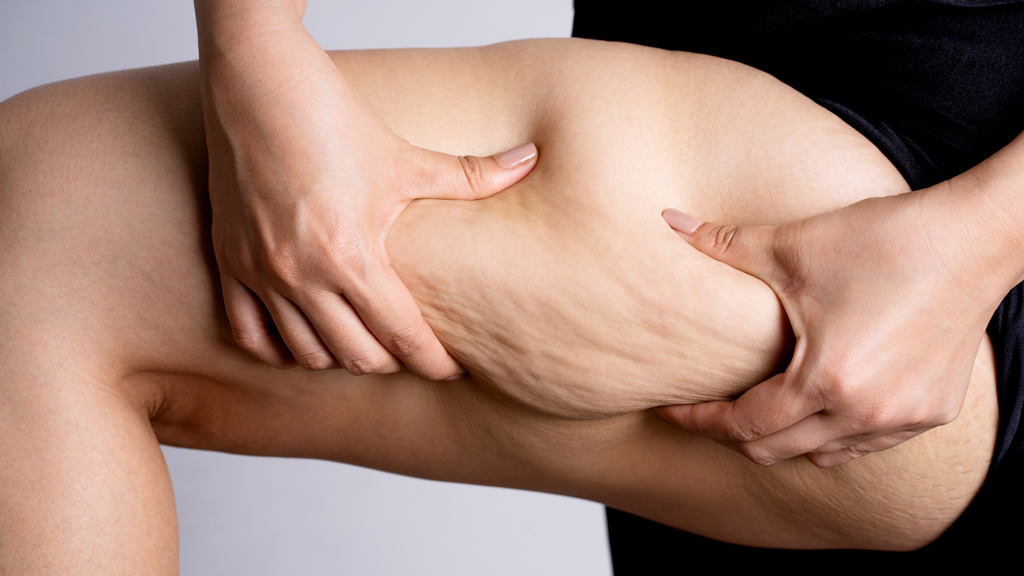
Cellulite is a common skin condition that affects people of all shapes and sizes, and while it’s completely normal, many want to reduce its appearance for smoother-looking skin. Understanding what causes cellulite — and how to address it — can help you choose the most effective treatments and lifestyle changes.
What Is Cellulite?
Cellulite occurs when fat deposits push through the connective tissue beneath the skin, creating a dimpled or uneven surface. It’s most common on the thighs, hips, buttocks, and abdomen. Factors like genetics, hormonal changes, and lifestyle habits can all play a role in its development.
Why It Happens
As skin loses elasticity with age and connective tissue changes, fat cells become more visible, leading to that “orange peel” texture. Poor circulation, a high-fat diet, dehydration, and lack of exercise can worsen its appearance.


Effective Treatments
Topical creams with caffeine or retinol may help temporarily smooth skin by improving circulation and stimulating collagen production. Massage therapies, like lymphatic drainage or endermologie, can reduce fluid retention and improve skin tone. For longer-lasting results, professional treatments such as laser therapy, radiofrequency, or acoustic wave therapy target deeper tissue layers to break down fat and stimulate collagen.
Lifestyle Tips
Improving your diet and activity level can significantly reduce the appearance of cellulite over time. Eat a balanced diet rich in fruits, vegetables, lean proteins, and healthy fats to support skin health. Regular exercise — especially strength training and cardio — helps tone muscles and improve circulation. Staying hydrated is also essential for keeping skin plump and resilient.
Myths to Ignore
Cellulite is not caused solely by being overweight — even slim individuals can have it. It’s also important to remember that there’s no “instant cure.” Consistency in your skincare and lifestyle choices will make the biggest difference over time.

The Bottom Line
While you can’t completely eliminate cellulite, you can reduce its appearance and improve skin texture with the right combination of treatments, healthy habits, and patience. Focus on overall wellness, and your skin will reflect those positive changes.
Enjoyed this? Share it!
Share your reaction!