




Home Safety Basics – Easy Ways To Protect What Matters
 ||
||About the Author
Oliver Meadows is one of our contributing writers, focusing on home and garden. He has always believed that a good life begins at home—built with your hands, shaped with patience, and rooted in nature. Raised between countryside gardens and old family workshops, he learned early on the value of simple craftsmanship, sustainable living, and the quiet joy of growing things.
Oliver has explored practical ways to create homes that feel warm, functional, and alive. From gardening and homesteading to DIY repairs, smart storage, natural cleaning, and seasonal living, he experiments with everything that brings comfort and purpose back to everyday life.
Oliver isn’t an architect or engineer—he’s a hands-on problem solver who loves making things better using creativity and common sense. Whether he’s building a tool rack, restoring old furniture, or teaching people how to grow herbs on a small balcony, his approach stays the same: start small, learn by doing, and enjoy the process.
He believes home should be more than a place—it should be a way of living. Real progress doesn’t come from disposable solutions, but from skills, care, and meaningful work.
If it improves daily living, it’s worth building.
Last Update
Updated on Jun 1, 2026
Related articles
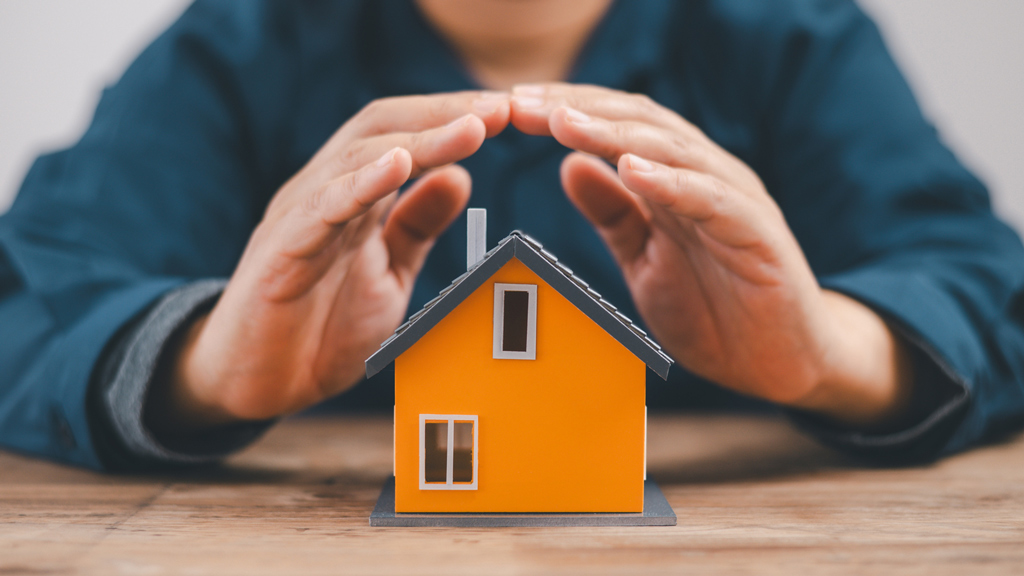
Home should be the place where you feel most secure — a space of comfort, not concern. But safety isn’t something that happens by accident; it’s built through small, thoughtful habits and simple precautions. The good news is, protecting your home doesn’t have to be expensive or complicated. It’s about awareness, preparation, and consistency.
Check Your Basics First
Start with the fundamentals: working smoke detectors, carbon monoxide alarms, and a fire extinguisher in an accessible spot. These are small investments that can make all the difference in an emergency.
Test alarms monthly and replace batteries at least once a year — or better yet, set a reminder on your phone to do it every six months. A few minutes of maintenance can save lives.


Mind Your Power Sources
Electrical safety is one of the most overlooked parts of home care. Avoid overloading outlets or running too many devices from one extension cord. Check cords for frays or signs of wear — and replace them immediately if you spot damage.
Unplug devices when not in use, especially those that generate heat, like irons or toasters. Not only does this reduce fire risk, it saves on energy bills too.
Prevent Slips and Falls
Most household accidents don’t come from dramatic emergencies — they come from everyday moments. Wet floors, cluttered stairs, or poor lighting can cause serious injuries.
Add non-slip mats in the bathroom, keep hallways well lit, and make sure rugs have grips or pads underneath. These small fixes can prevent big problems.
Secure Entry Points
You don’t need an expensive security system to protect your home. Start by checking that doors and windows close properly and locks are in good condition.
If possible, install motion-sensor lights around entryways or driveways — they’re inexpensive and effective at deterring unwanted visitors.
And remember, sometimes the best protection is simply being present and aware of your surroundings.
Have a Plan, Just in Case
Even with all precautions, emergencies can still happen. Create a simple plan: how to exit in case of fire, who to call, and where important documents or emergency supplies are stored. Discuss it with everyone in your household so no one is caught off guard.


The Takeaway
Home safety isn’t about fear — it’s about confidence.
When you take small, consistent steps to protect your space, you create peace of mind for yourself and the people you care about most.
Because the safest homes aren’t the ones filled with gadgets — they’re the ones built with awareness and care.
Enjoyed this? Share it!
Share your reaction!