



What To Know Before Starting A Vegetable Garden
 ||
||About the Author
Oliver Meadows is one of our contributing writers, focusing on home and garden. He has always believed that a good life begins at home—built with your hands, shaped with patience, and rooted in nature. Raised between countryside gardens and old family workshops, he learned early on the value of simple craftsmanship, sustainable living, and the quiet joy of growing things.
Oliver has explored practical ways to create homes that feel warm, functional, and alive. From gardening and homesteading to DIY repairs, smart storage, natural cleaning, and seasonal living, he experiments with everything that brings comfort and purpose back to everyday life.
Oliver isn’t an architect or engineer—he’s a hands-on problem solver who loves making things better using creativity and common sense. Whether he’s building a tool rack, restoring old furniture, or teaching people how to grow herbs on a small balcony, his approach stays the same: start small, learn by doing, and enjoy the process.
He believes home should be more than a place—it should be a way of living. Real progress doesn’t come from disposable solutions, but from skills, care, and meaningful work.
If it improves daily living, it’s worth building.
Last Update
Updated on Jun 14, 2026
Related articles
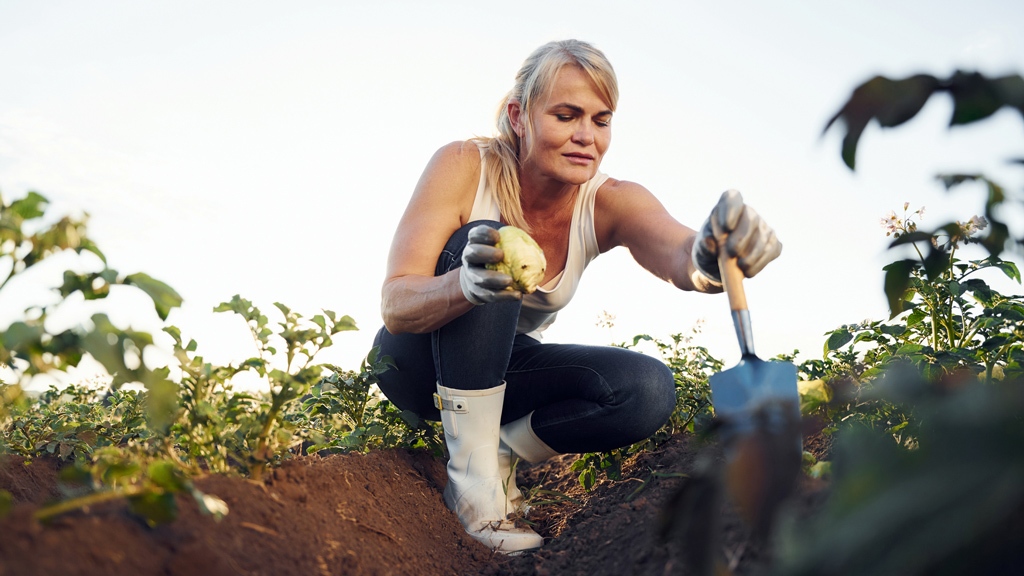
Starting a vegetable garden is a rewarding way to grow your own fresh produce, connect with nature, and even save money on groceries. However, before you grab a shovel and start planting, there are some important things you should know to set yourself up for success. Understanding the basics will help you avoid common pitfalls and enjoy a fruitful harvest.
Choose the Right Location
Your garden’s location is critical. Most vegetables need at least 6 to 8 hours of direct sunlight daily to grow well. Look for a spot that receives plenty of sun, has good drainage, and is protected from strong winds. Avoid low-lying areas where water tends to pool, as this can cause root rot and other problems.
Prepare Your Soil Properly
Healthy soil is the foundation of a productive garden. Before planting, test your soil’s texture, pH, and nutrient levels. Most vegetables prefer slightly acidic to neutral soil (pH 6-7). Amend the soil with organic matter like compost or aged manure to improve fertility and structure. Good soil improves water retention, nutrient availability, and root growth.


Select Suitable Vegetables
Choose vegetables that are well-suited to your climate and growing season. Some plants thrive in cooler weather (like lettuce, spinach, and peas), while others need warm soil and longer growing periods (like tomatoes, peppers, and squash). Starting with easy-to-grow varieties can boost your confidence and increase the chances of success.
Plan Your Garden Layout
Organize your garden to make the best use of space and resources. Consider planting in raised beds or rows, and leave enough room for plants to grow and for you to access them easily. Companion planting—placing certain vegetables near each other—can improve growth and deter pests naturally.
Water Wisely
Vegetables generally need consistent moisture, but overwatering can be just as harmful as underwatering. Aim to keep the soil evenly moist, watering deeply and less frequently to encourage strong root systems. Early morning is the best time to water, reducing evaporation and fungal diseases.

Expect Some Challenges
Gardening is a learning process, and you may face pests, diseases, or weather setbacks. Stay observant and learn to identify common problems early. Use organic methods like hand-picking pests, natural sprays, or introducing beneficial insects to keep your garden healthy without harmful chemicals.
Enjoy the Process and Harvest
Growing your own vegetables is not just about the end result — it’s also about enjoying the time outdoors, learning, and connecting with the food you eat. Be patient and celebrate small wins, whether it’s your first sprout or a basket full of fresh tomatoes. The satisfaction of harvesting your own food is unmatched.
Enjoyed this? Share it!
Share your reaction!