



Home Maintenance Tasks You Shouldn’t Ignore
 ||
||About the Author
Oliver Meadows is one of our contributing writers, focusing on home and garden. He has always believed that a good life begins at home—built with your hands, shaped with patience, and rooted in nature. Raised between countryside gardens and old family workshops, he learned early on the value of simple craftsmanship, sustainable living, and the quiet joy of growing things.
Oliver has explored practical ways to create homes that feel warm, functional, and alive. From gardening and homesteading to DIY repairs, smart storage, natural cleaning, and seasonal living, he experiments with everything that brings comfort and purpose back to everyday life.
Oliver isn’t an architect or engineer—he’s a hands-on problem solver who loves making things better using creativity and common sense. Whether he’s building a tool rack, restoring old furniture, or teaching people how to grow herbs on a small balcony, his approach stays the same: start small, learn by doing, and enjoy the process.
He believes home should be more than a place—it should be a way of living. Real progress doesn’t come from disposable solutions, but from skills, care, and meaningful work.
If it improves daily living, it’s worth building.
Last Update
Updated on Jun 15, 2026
Related articles
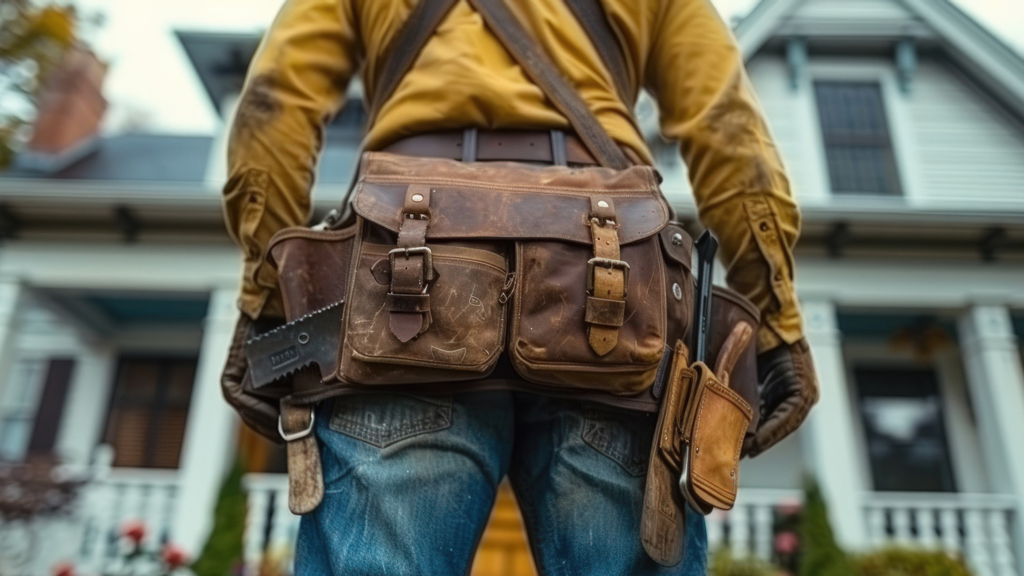
Your home is more than just a place to live — it’s one of your biggest investments. Yet, many homeowners unintentionally put off essential maintenance tasks, either because they seem small, unimportant, or inconvenient. The reality is that neglecting certain repairs and check-ups can lead to costly problems, safety hazards, and a shorter lifespan for your property. Staying proactive can save you time, money, and stress in the long run.
Inspect and Clean Gutters Regularly
Clogged gutters might not seem urgent, but they can cause serious water damage to your home’s foundation, roof, and walls. When leaves, dirt, and debris build up, rainwater overflows and seeps into places it shouldn’t. Make it a habit to clean your gutters at least twice a year — in the spring and fall — and check for sagging or leaks while you’re at it.
Check Your Roof for Damage
Your roof is your first line of defense against the elements, and even minor damage can turn into a major headache. Look for missing shingles, cracked tiles, or signs of water infiltration in the attic. Regular inspections, especially after severe storms, can help you catch problems early and avoid expensive repairs down the road.


Test Smoke and Carbon Monoxide Detectors
Safety should always come first. Smoke and carbon monoxide detectors are crucial for protecting your family, but they’re useless if they’re not working. Test them monthly, replace batteries twice a year, and replace the entire unit every 7–10 years. A few minutes of checking can make a life-saving difference.
Maintain Your HVAC System
Heating and cooling systems keep your home comfortable year-round, but without regular maintenance, they can lose efficiency and break down unexpectedly. Change filters every 1–3 months, have your system professionally inspected annually, and keep vents free of dust and obstructions. Proper care can also help lower your energy bills.
Seal Gaps and Cracks
Small gaps around windows, doors, and siding might seem harmless, but they can lead to drafts, higher energy costs, and even pest infestations. Use weatherstripping or caulk to seal problem areas, and recheck them every season. This small task can improve comfort and reduce your utility bills year-round.
Flush and Inspect Your Water Heater
Over time, sediment can build up inside your water heater, reducing efficiency and potentially causing damage. Flushing it once a year helps extend its lifespan and ensures you always have hot water when you need it. Also, check for leaks, rust, or strange noises that could indicate a problem.

Don’t Forget the Exterior
From pressure washing siding to checking your driveway for cracks, exterior maintenance keeps your home looking good and functioning properly. Neglecting these tasks can lead to structural issues, pest problems, and a drop in curb appeal — which also impacts your home’s resale value.
Conclusion
Home maintenance isn’t just about appearances — it’s about protecting your investment and ensuring your family’s safety and comfort. By keeping up with these essential tasks, you can prevent minor issues from becoming costly repairs. The key is to stay consistent, schedule regular check-ups, and address problems as soon as they arise.
Think of home maintenance as a form of insurance: the time and money you put in now will pay off by keeping your property in top shape for years to come.
Enjoyed this? Share it!
Share your reaction!