



How To Create A Low-Maintenance Garden
 ||
||About the Author
Oliver Meadows is one of our contributing writers, focusing on home and garden. He has always believed that a good life begins at home—built with your hands, shaped with patience, and rooted in nature. Raised between countryside gardens and old family workshops, he learned early on the value of simple craftsmanship, sustainable living, and the quiet joy of growing things.
Oliver has explored practical ways to create homes that feel warm, functional, and alive. From gardening and homesteading to DIY repairs, smart storage, natural cleaning, and seasonal living, he experiments with everything that brings comfort and purpose back to everyday life.
Oliver isn’t an architect or engineer—he’s a hands-on problem solver who loves making things better using creativity and common sense. Whether he’s building a tool rack, restoring old furniture, or teaching people how to grow herbs on a small balcony, his approach stays the same: start small, learn by doing, and enjoy the process.
He believes home should be more than a place—it should be a way of living. Real progress doesn’t come from disposable solutions, but from skills, care, and meaningful work.
If it improves daily living, it’s worth building.
Last Update
Updated on Jun 16, 2026
Related articles
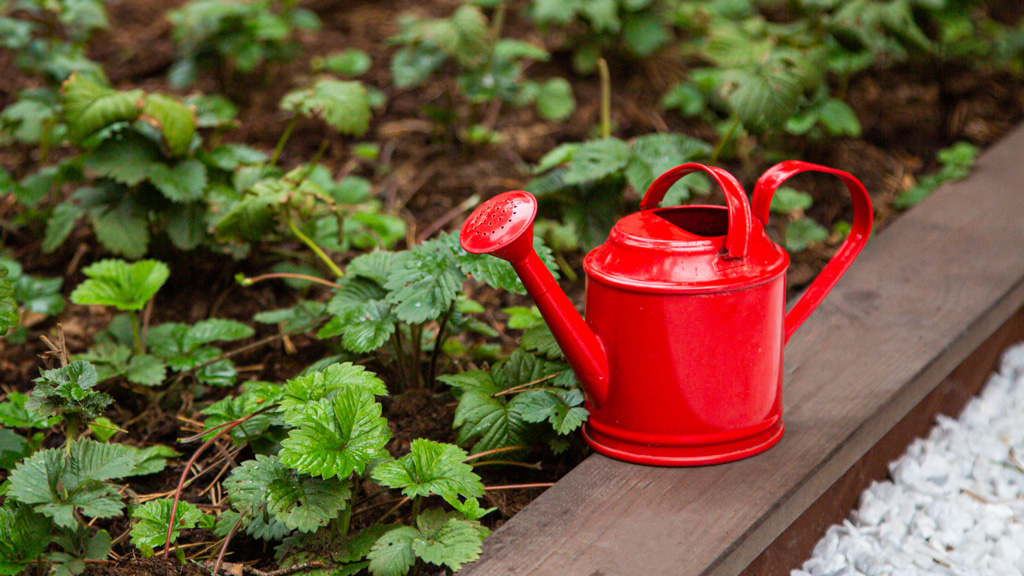
Creating a beautiful garden can be incredibly rewarding, but maintaining it often requires a lot of time and effort. If you want to enjoy a lush, inviting outdoor space without spending every weekend working on it, a low-maintenance garden might be the perfect solution. With smart planning and thoughtful choices, you can design a garden that thrives with minimal upkeep while still looking stunning all year round.
Choose the Right Plants for Your Climate
The foundation of any low-maintenance garden is selecting plants that are naturally suited to your local climate and soil conditions. Native plants tend to be more resilient, require less water, and resist pests better than exotic varieties. Consider drought-tolerant species if you live in a dry area, or shade-loving plants for cooler, shaded spots. This reduces the need for constant watering, fertilizing, or pest control.
Plan for Easy Watering
Watering can be one of the most time-consuming garden tasks. To minimize this, install an efficient irrigation system like drip irrigation or soaker hoses that deliver water directly to the roots where it’s needed most. Mulching around plants also helps retain soil moisture, reducing evaporation and preventing weed growth. Grouping plants with similar water needs together will make irrigation even more effective.


Use Mulch Generously
Mulch is one of the best tools for keeping a garden low-maintenance. It not only conserves moisture but also suppresses weeds and improves soil health. Organic mulches like bark chips, straw, or shredded leaves slowly break down and enrich the soil over time. Apply a thick layer around your plants but avoid piling mulch directly against stems or trunks to prevent rot.
Incorporate Perennials and Evergreen Plants
Perennials come back year after year, so you don’t have to replant them annually. Evergreens provide structure and greenery even in the off-season, giving your garden consistent visual appeal. Combining both types reduces the need for constant replanting and keeps your garden looking full and vibrant with minimal effort.
Limit Lawn Areas
Lawns require regular mowing, watering, and fertilizing, which can add up to a lot of maintenance. If you want a low-maintenance garden, consider reducing lawn space by replacing it with hardscaping elements like patios, gravel paths, or decorative rocks. You can also opt for drought-resistant ground covers instead of traditional grass to save time and resources.
Keep Garden Design Simple
Complex garden layouts with many different plants and intricate beds demand more attention. Simplify your garden by choosing clean lines, repeating plants, and using larger planting zones rather than many small patches. This approach not only looks elegant but also makes watering, weeding, and pruning easier to manage.


Regular but Minimal Upkeep
While low-maintenance doesn’t mean no maintenance, scheduling small, regular tasks can keep your garden healthy without overwhelming you. Spend a few minutes each week checking for weeds, deadheading flowers, and inspecting for pests. Doing a little at a time prevents problems from building up and keeps your garden thriving.
Conclusion
Creating a low-maintenance garden is all about working smarter, not harder. By choosing the right plants, planning efficient watering, using mulch, and simplifying design, you can enjoy a beautiful outdoor space with minimal effort. Your garden will not only save you time and money but also provide a peaceful retreat that enhances your home’s value and your quality of life.
Enjoyed this? Share it!
Share your reaction!