




Small Space Living – Make Every Inch Work For You
 ||
||About the Author
Oliver Meadows is one of our contributing writers, focusing on home and garden. He has always believed that a good life begins at home—built with your hands, shaped with patience, and rooted in nature. Raised between countryside gardens and old family workshops, he learned early on the value of simple craftsmanship, sustainable living, and the quiet joy of growing things.
Oliver has explored practical ways to create homes that feel warm, functional, and alive. From gardening and homesteading to DIY repairs, smart storage, natural cleaning, and seasonal living, he experiments with everything that brings comfort and purpose back to everyday life.
Oliver isn’t an architect or engineer—he’s a hands-on problem solver who loves making things better using creativity and common sense. Whether he’s building a tool rack, restoring old furniture, or teaching people how to grow herbs on a small balcony, his approach stays the same: start small, learn by doing, and enjoy the process.
He believes home should be more than a place—it should be a way of living. Real progress doesn’t come from disposable solutions, but from skills, care, and meaningful work.
If it improves daily living, it’s worth building.
Last Update
Updated on Jun 1, 2026
Related articles
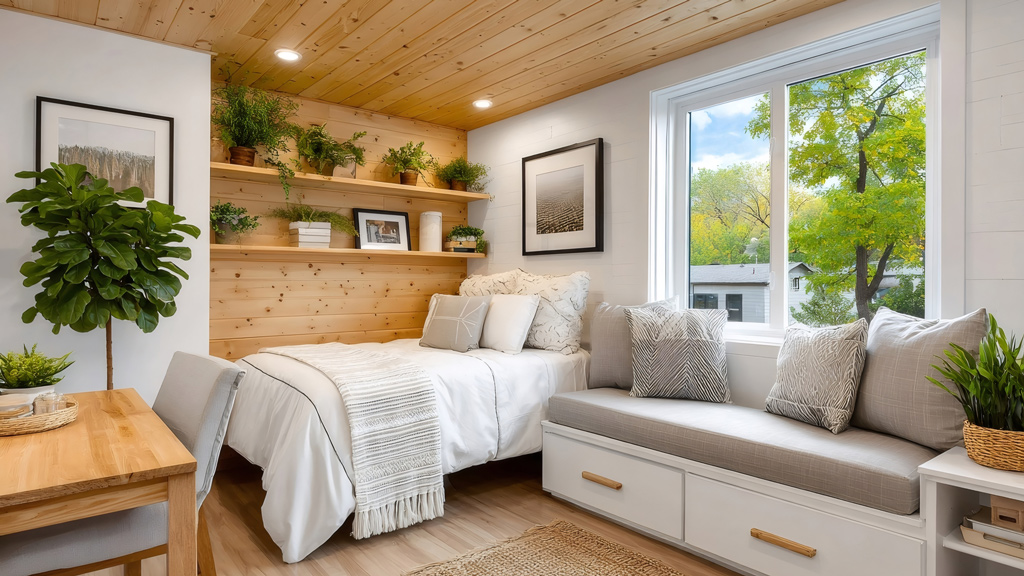
Living in a small space doesn’t mean giving up comfort or style — it means getting creative. With the right mindset and a few smart adjustments, even the tiniest apartment or compact home can feel spacious, functional, and uniquely yours. It’s not about having more room; it’s about making the most of the room you have.
Think Vertical, Not Just Horizontal
When floor space is limited, your walls become valuable real estate. Add floating shelves, tall bookcases, or wall-mounted hooks to store and display items without cluttering the ground. Using vertical space draws the eye upward, making rooms look taller and more open. Even something as simple as hanging curtains higher than the window frame can create a sense of height and airiness.


Choose Furniture That Works Twice as Hard
In a small home, every piece of furniture should earn its place. Look for items with built-in storage — ottomans that open up, beds with drawers underneath, or coffee tables that double as desks. Foldable or nesting furniture is another space-saving hero. When not in use, tuck it away and reclaim your floor. It’s about flexibility, not sacrifice.
Declutter Like It’s a Lifestyle
Clutter is the enemy of small spaces. When every corner counts, less truly is more. Be intentional about what stays in your home: keep only what’s useful, beautiful, or meaningful. Make tidying up part of your daily rhythm — five minutes in the morning or before bed is enough to reset your space and mind.
Use Light and Color to Open Up Your Space
Lighting can completely change how big or small a room feels. Natural light is your best friend, so keep windows clear and use mirrors to reflect light throughout the space. For color, stick with lighter shades on walls and larger furniture pieces — they create an open, airy feel. You can still add personality through accents like pillows, artwork, or plants.
Create Defined Zones
Even in a studio or small apartment, defining separate “zones” for different activities adds structure and comfort. A rug can mark your living area; a small lamp can signal your reading corner. You don’t need walls to create boundaries — just intention and design.


The Takeaway
Small space living isn’t about restriction — it’s about creativity. When every inch has a purpose and every item feels intentional, your home becomes not just organized, but empowering. Because the best homes aren’t the biggest — they’re the ones that fit your life perfectly.
Enjoyed this? Share it!
Share your reaction!