




Why Gut Health Matters More Than You Think
 ||
||About the Author
Evelyn Hartwell is one of our contributing writers, focusing on health and wellness. She has always believed that true health begins with understanding your body and mind. A lifelong learner and wellness advocate, she grew up blending the wisdom of natural living with evidence-based health practices. Over the past fifteen years, she has explored everything from traditional remedies and holistic healing to modern nutrition science, fitness methods, and mental resilience strategies.
Evelyn is not a doctor—she is a dedicated explorer of healthy living, always searching for practical, sustainable ways to help people feel and live better. Her work focuses on everyday wellness: balanced habits, functional nutrition, emotional well-being, natural energy, stress management, and lifelong vitality.
Whether she’s testing a superfood, breaking down a fitness method, or simplifying expert advice, her approach stays the same: stay curious, stay real, and always listen to your body. She believes progress in health never comes from quick fixes or empty promises—it comes from small, consistent actions.
Knowledge means nothing unless it’s lived—wellness is a practice, not a trend.
Last Update
Updated on Jun 26, 2026
Related articles
The Overlooked Key to Health: Your Gut
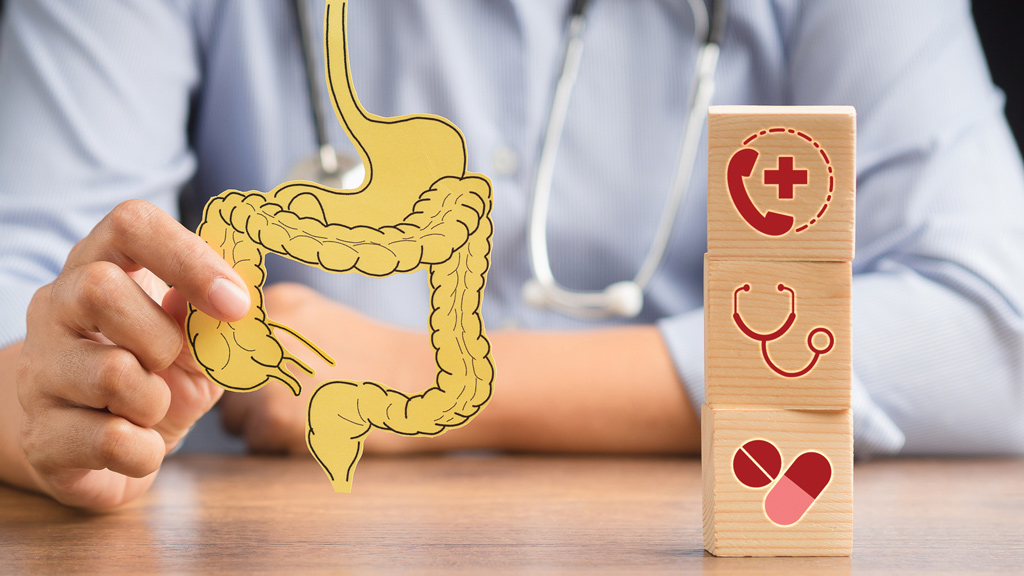
When we talk about health, most people immediately think about exercise, eating right, or visiting the doctor. But one of the most important parts of our health is often overlooked: gut health.
Your gut, which includes your stomach and intestines, is home to trillions of tiny bacteria and other microorganisms. Together, they make up what’s called the gut microbiome — a complex community that plays a huge role in how your body works every day.
Why Gut Bacteria Matter
These tiny bacteria play a vital role in breaking down the food you eat, transforming it into nutrients your body can absorb and use for energy, growth, and repair. When your gut isn’t healthy, nutrient absorption becomes less efficient, which can lead to deficiencies in essential vitamins and minerals. Over time, this imbalance may leave you feeling tired or weak, lower your immune defenses, and make you more prone to illness or digestive discomfort.
Gut Health and the Immune System
Gut health isn’t just about digestion. Scientists have discovered that your gut affects many other parts of your body, including your immune system. Around 70% of your immune cells live in your gut, which means an unhealthy gut makes it harder to fight off infections.


The Gut-Brain Connection
Your gut and brain are connected through what’s known as the gut-brain axis. The bacteria in your gut can influence your mood, emotions, and even your ability to think clearly. Have you ever felt “butterflies” in your stomach when nervous? That’s your gut and brain talking to each other! An unhealthy gut may contribute to stress, anxiety, or depression, while a healthy one supports better mental clarity.
How to Keep Your Gut Healthy
It starts with what you eat. A diet rich in fiber — from fruits, vegetables, nuts, and whole grains — helps feed the good bacteria in your gut. These helpful bacteria support digestion and protect you from harmful germs. In contrast, too much sugar, processed food, and unhealthy fats can disrupt your microbiome and damage gut health.
The Power of Fermented Foods
Fermented foods like yogurt, kimchi, kefir, and sauerkraut are rich in probiotics — beneficial bacteria that help maintain a healthy and diverse gut microbiome. These foods can improve digestion, strengthen your immune system, and enhance nutrient absorption. While probiotic supplements can also be helpful, it’s generally best to get them from whole, naturally fermented foods, which provide additional nutrients and fiber that support overall gut health.
Lifestyle Matters Too
Your daily habits have a powerful impact on your gut health. Regular exercise stimulates digestion, boosts circulation to the intestines, and promotes the growth of beneficial bacteria. Equally important, getting enough restful sleep and managing stress effectively help maintain gut balance — since chronic stress and poor sleep can disrupt digestion, weaken the gut barrier, and lead to discomforts like bloating, cramps, or inflammation.
Use Antibiotics Wisely
Antibiotics kill both harmful and beneficial bacteria, which can disrupt the natural balance of your gut microbiome. To protect it, only take antibiotics when prescribed by your doctor, follow the full course exactly as instructed, and never use leftover or someone else’s medication. After treatment, support your gut by eating probiotic and fiber-rich foods to help restore healthy bacteria.


Conclusion: A Healthy Gut = A Healthier You
Your gut affects not just digestion, but also your immunity, energy, and mental health. Supporting your microbiome can lead to better overall well-being. To protect your gut: eat a fiber-rich, balanced diet, include fermented foods, exercise regularly, sleep well and manage stress, and avoid unnecessary antibiotics.
A happy gut means a happier, healthier you. Start from the inside and take control of your well-being.
Enjoyed this? Share it!
Share your reaction!